India has experienced increasingly intense and frequent heatwaves over the past two decades, with temperatures regularly crossing 45 degrees Celsius in many regions during summer months. While the country has been praised internationally for developing Heat Action Plans (HAPs) in numerous cities and states, public health experts are now questioning whether these initiatives adequately address the health dimensions of extreme heat exposure.
The Current Approach to Heat Management
Since Ahmedabad introduced India's first comprehensive Heat Action Plan in 2013 following a devastating 2010 heatwave, dozens of cities have adopted similar frameworks. These plans typically focus on early warning systems, public awareness campaigns, and immediate response measures such as opening cooling centers and adjusting work hours during peak heat periods.
The standard heat response framework includes color-coded alerts, distribution of oral rehydration salts, and advisories for people to stay indoors during the hottest parts of the day. While these measures have likely saved lives during acute heat events, critics argue they represent a reactive, disaster-management mindset rather than a proactive public health strategy.
Missing Public Health Elements
Public health experts point to several gaps in India's current heat response framework. First, there is insufficient focus on identifying and protecting the most vulnerable populations before heatwaves strike. These include outdoor workers, homeless individuals, elderly people living alone, pregnant women, and those with chronic health conditions who face disproportionate risks during extreme heat.
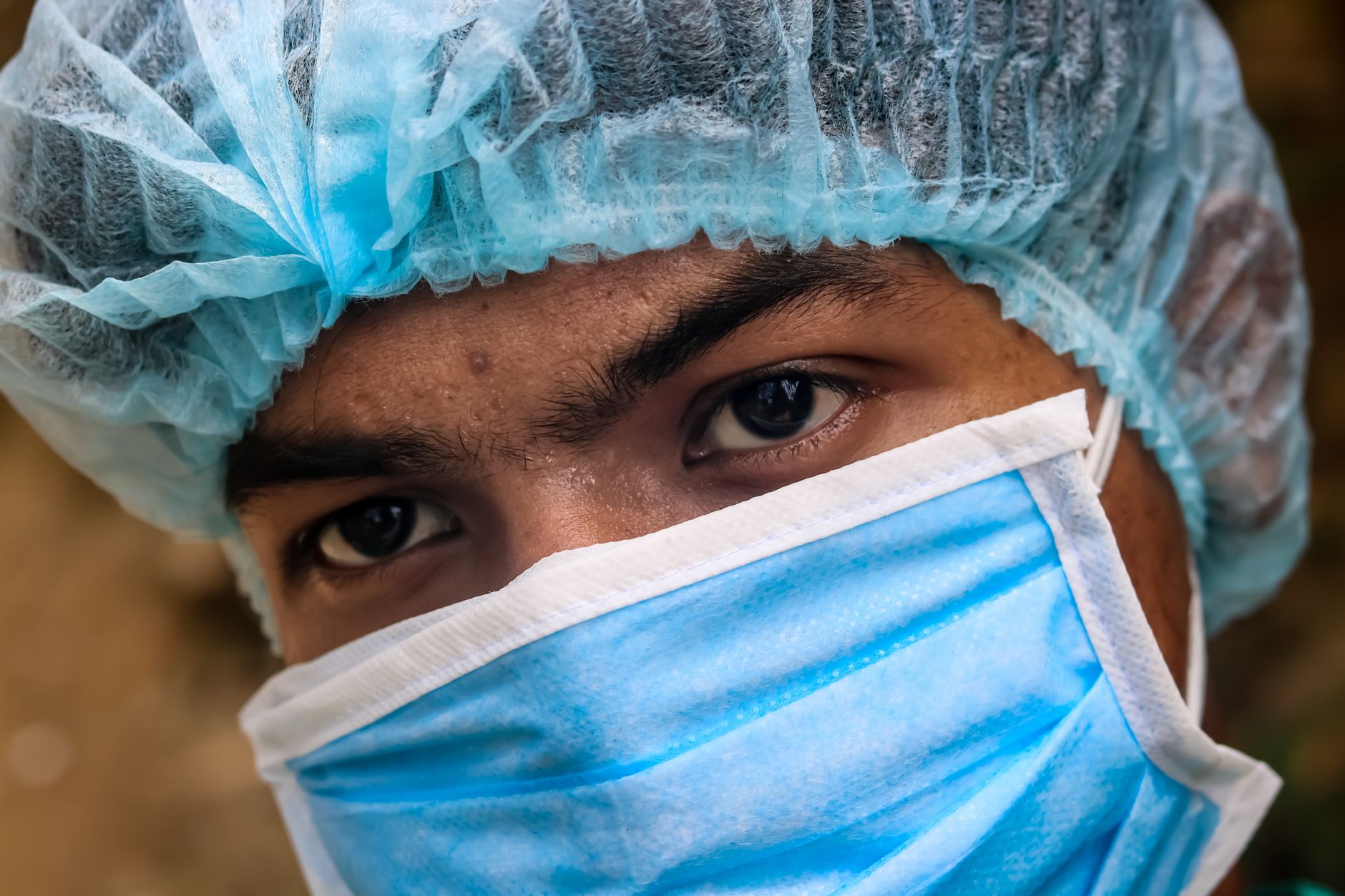
Second, heat action plans rarely integrate with existing healthcare infrastructure. Primary health centers and community health workers, who form the backbone of India's public health system, often lack specific training and protocols for heat-related illnesses. This disconnection means that early symptoms of heat stress may go unrecognized until they become medical emergencies.
Third, there is limited emphasis on the long-term health impacts of repeated heat exposure. Chronic heat stress can contribute to kidney disease, cardiovascular problems, and complications during pregnancy, yet surveillance systems to track these outcomes remain underdeveloped.
The Urban-Rural Divide
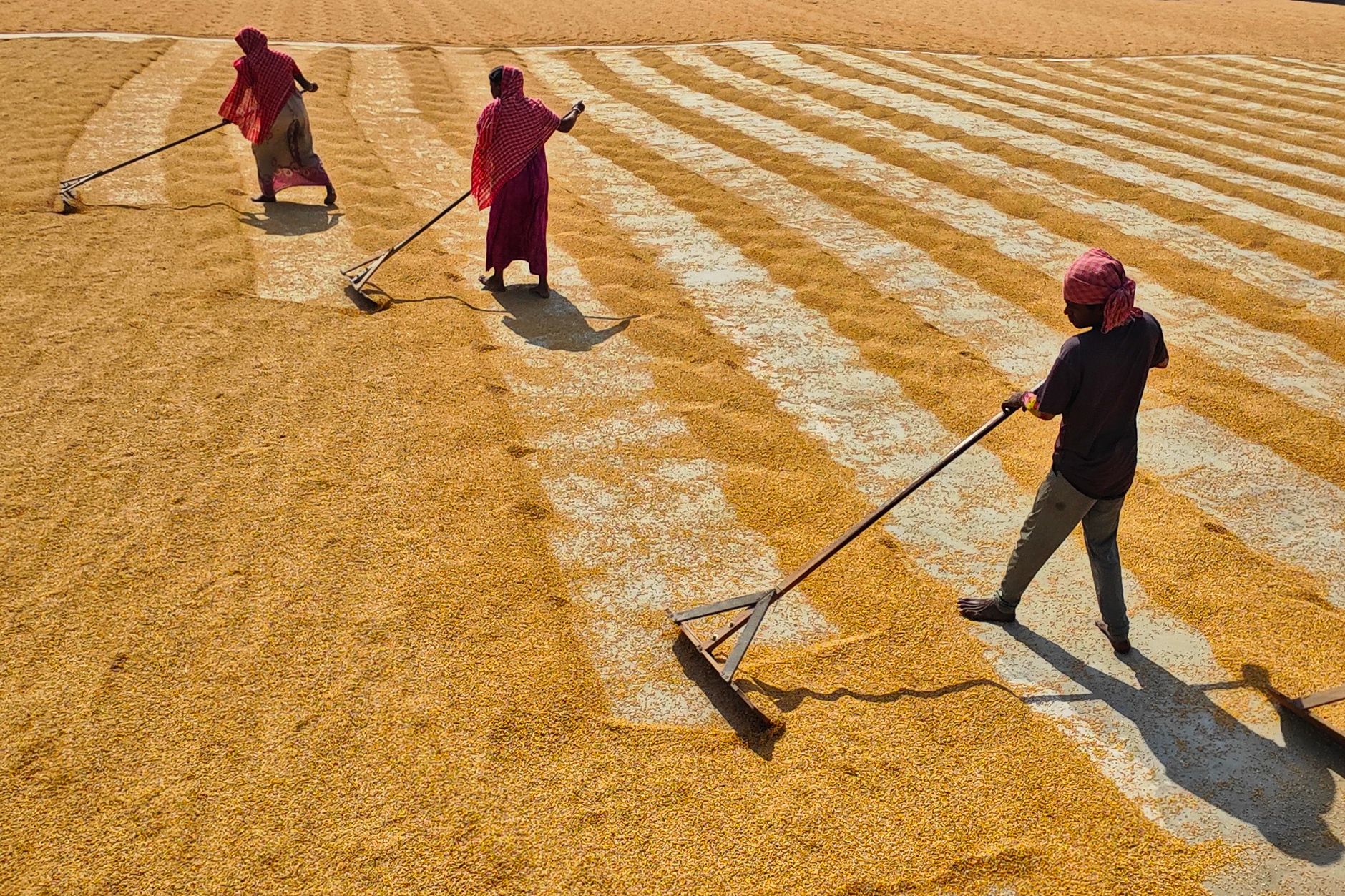
Another significant concern is the concentration of heat action plans in urban areas, while rural populations, who often work in agriculture and have limited access to cooling infrastructure, remain largely unprotected. Farmers and agricultural laborers spending hours in direct sunlight during crop cultivation and harvesting face extreme heat exposure with minimal institutional support.
Urban heat islands, where concrete and asphalt amplify temperatures, do create specific challenges for city dwellers. However, the absence of comprehensive rural heat strategies leaves millions of Indians without adequate protection during increasingly dangerous summer months.
Occupational Health Gaps
India's labor laws provide limited protections for outdoor workers during extreme heat. While some states have introduced midday work breaks during summer, enforcement remains weak, and many informal sector workers lack any heat-related safeguards. Construction workers, street vendors, delivery personnel, and others who cannot afford to stop working during heat advisories continue laboring in dangerous conditions.
A public health approach would involve mandatory workplace standards, regular hydration breaks, access to shade, and health monitoring for workers in high-risk occupations. It would also address the economic vulnerabilities that force people to choose between their health and their livelihoods.
Need for Integration and Prevention
Experts advocate for integrating heat response into broader public health systems rather than treating it as a standalone disaster management issue. This would include training healthcare workers to recognize heat-related illnesses, establishing surveillance systems to track heat-related morbidity and mortality, and conducting research on population-specific vulnerabilities.
Prevention should extend beyond individual behavior change to include urban planning measures such as increasing green cover, creating shaded public spaces, ensuring water access, and improving housing quality to provide natural cooling. These structural interventions address root causes rather than merely managing symptoms.
Climate Change and Future Preparedness
As climate change drives more frequent and severe heatwaves across India, the limitations of current approaches will become increasingly apparent. Projections suggest that parts of India may experience heat levels that exceed human survivability thresholds by mid-century, making comprehensive public health strategies essential rather than optional.
Moving forward requires shifting from short-term emergency response to long-term health protection, from urban-centric to inclusive national coverage, and from individual responsibility to systemic solutions that protect the most vulnerable members of society.
This article is for general informational purposes only and does not constitute medical or health advice. Readers should consult healthcare professionals for specific health concerns related to heat exposure.