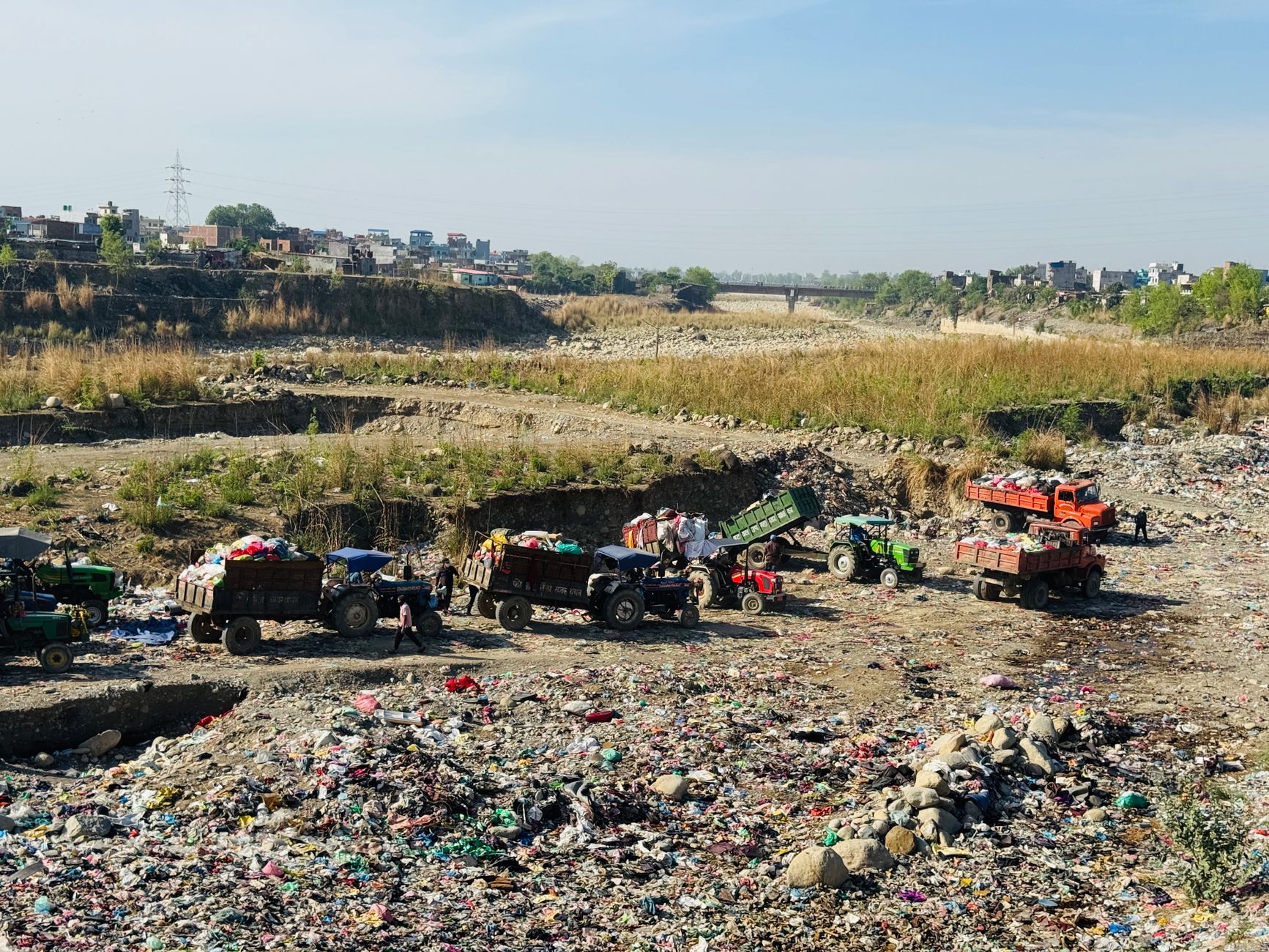
The World Economic Forum has highlighted India's position among countries grappling with a critical housing crisis, emphasizing that the shortage of adequate housing extends far beyond mere inconvenience—it poses serious threats to people's health and economic prosperity. This recognition brings urgent attention to a problem affecting millions of Indian families struggling to secure safe, affordable shelter.
The Scale of India's Housing Shortage
India faces an estimated shortfall of millions of housing units, particularly in urban areas experiencing rapid population growth. As cities expand and rural populations migrate seeking employment opportunities, the demand for housing has far outpaced supply. The crisis is most acute in metropolitan regions like Mumbai, Delhi, and Bangalore, where skyrocketing property prices have pushed homeownership beyond the reach of average citizens.
The problem is multifaceted, encompassing not just quantity but quality. Many existing housing units lack basic amenities such as proper ventilation, clean water access, sanitation facilities, and structural safety. Informal settlements and slums house a significant portion of urban India's population, with residents living in precarious conditions that compound health risks.
Health Impacts of Inadequate Housing
The connection between housing and health is well-documented and deeply concerning. Overcrowded living conditions facilitate the rapid spread of infectious diseases, including tuberculosis, which remains a major public health challenge in India. Poor ventilation and dampness contribute to respiratory illnesses, particularly affecting children and the elderly.
Lack of proper sanitation facilities in inadequate housing leads to increased exposure to waterborne diseases and infections. Families living in densely packed areas with insufficient waste management face heightened risks of cholera, typhoid, and other preventable diseases.
Mental health consequences are equally significant. The stress of housing insecurity, overcrowding, and lack of privacy contributes to anxiety, depression, and family conflicts. Children growing up in unstable housing situations often face developmental challenges and reduced educational outcomes.
Financial Burden and Wealth Erosion
The housing crisis creates a severe financial strain on Indian households. Families spending disproportionate amounts of their income on rent or mortgage payments have little left for healthcare, education, or savings. This pattern perpetuates cycles of poverty and limits upward economic mobility.
In many cases, people resort to informal lending at high interest rates to secure housing, leading to debt traps that can span generations. The lack of affordable housing also forces workers to live far from employment centers, resulting in long commutes that consume both time and money while reducing quality of life.
For those who do manage to purchase property, the financial commitment often represents their entire life savings and decades of loan repayment, leaving households vulnerable to economic shocks with no financial cushion.
Contributing Factors to the Crisis
Several systemic issues fuel India's housing shortage. Regulatory complexities and bureaucratic delays in obtaining construction permits slow down housing development. Land acquisition challenges, particularly in urban areas, limit available space for new projects.
The construction sector struggles with labor shortages, rising material costs, and financing constraints. Additionally, speculative real estate investment has inflated property prices beyond the purchasing power of ordinary citizens, treating housing as a commodity rather than a basic need.
Government housing schemes, while well-intentioned, often fail to reach the most vulnerable populations due to implementation gaps, corruption, or eligibility criteria that exclude many who need assistance most.
Looking Forward
Addressing India's housing crisis requires coordinated efforts across multiple sectors. Streamlining approval processes, incentivizing affordable housing construction, and implementing effective urban planning are essential steps. Public-private partnerships could accelerate housing development while ensuring quality standards.
Innovative solutions such as modular construction, sustainable building materials, and vertical housing projects may help meet demand more efficiently. Equally important is ensuring that new housing developments include adequate infrastructure for water, sanitation, healthcare, and education.
The recognition by the World Economic Forum underscores that housing is not merely a domestic issue but a global concern requiring urgent attention. For India to achieve its development goals and improve citizens' quality of life, addressing the housing crisis must be treated as a priority that intersects with health, economic, and social policy.