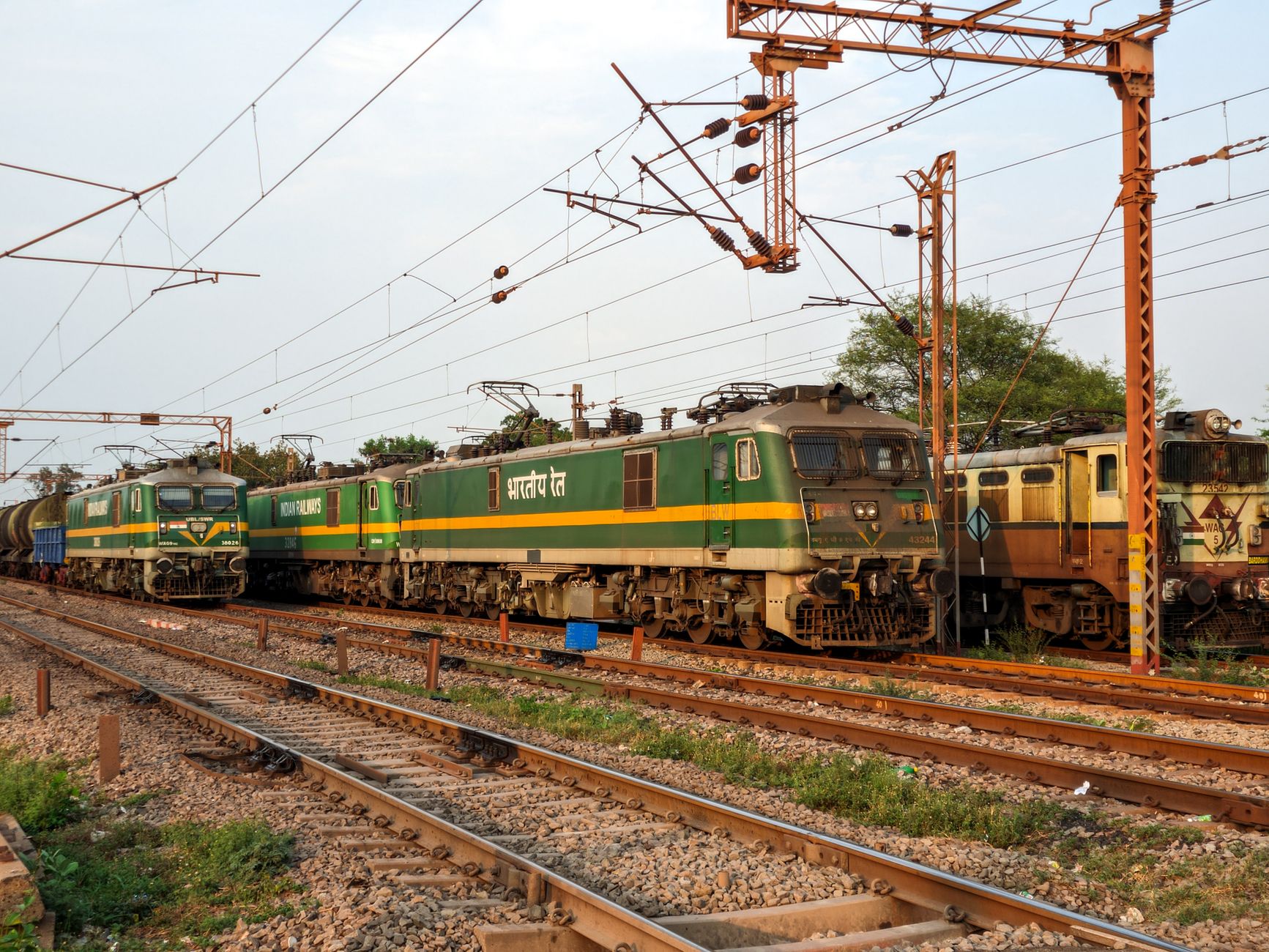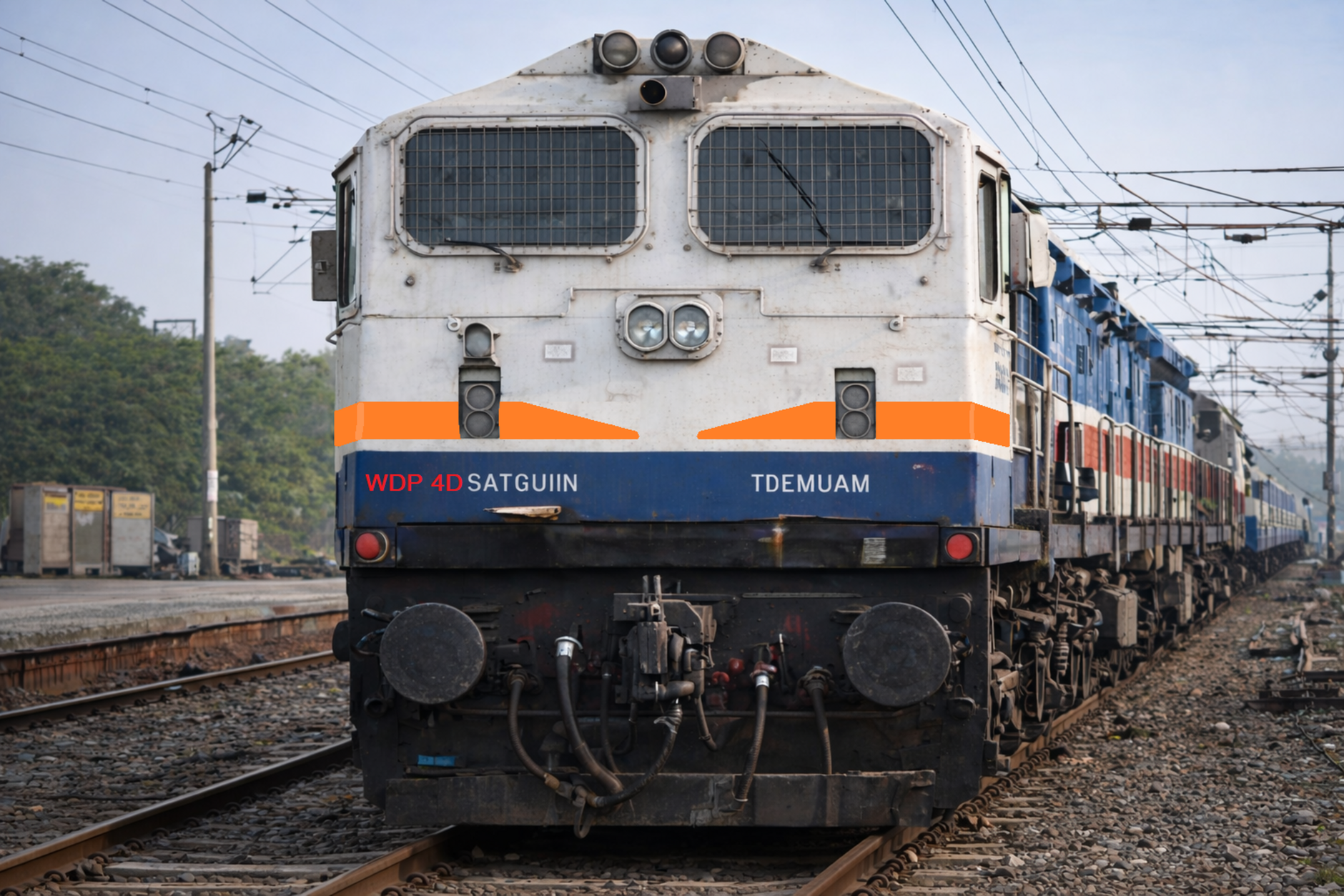
India's railway sector is embarking on a transformative journey toward sustainability with the adoption of indigenous hydrogen fuel cell technology. This strategic move by the Ministry of Railways represents a major milestone in the country's commitment to reducing carbon emissions while showcasing homegrown technological innovation.
Understanding Hydrogen Fuel Cell Technology
Hydrogen fuel cells generate electricity through an electrochemical reaction between hydrogen and oxygen, producing only water vapor and heat as byproducts. Unlike traditional diesel engines that burn fossil fuels and emit greenhouse gases, fuel cells offer a clean alternative that can significantly reduce the environmental footprint of rail transport.
The technology works by feeding hydrogen gas into an anode, where it splits into protons and electrons. The electrons travel through an external circuit, creating electrical current to power motors, while the protons pass through a membrane to combine with oxygen at the cathode, forming water. This process is highly efficient and produces zero emissions at the point of use.
Why Railways Are Ideal for Hydrogen Adoption
India's railway network is one of the world's largest, carrying over 8 billion passengers and more than 1 billion tonnes of freight annually. Currently, a substantial portion of this network relies on diesel locomotives, particularly on non-electrified routes that comprise roughly 35-40 percent of the total track length.
Converting these diesel routes to electric overhead wire systems is expensive and technically challenging in certain terrains. Hydrogen fuel cell trains offer a practical alternative, providing similar operational flexibility to diesel while delivering environmental benefits comparable to electrification.
Indigenous Development and Self-Reliance
The emphasis on indigenous technology aligns with India's broader Atmanirbhar Bharat initiative, aimed at achieving self-reliance in critical technologies. Developing hydrogen fuel cell systems domestically reduces dependence on foreign technology imports, creates high-skilled employment opportunities, and establishes India as a potential exporter of green transportation solutions.
Indian research institutions, railways' own development centers, and private sector partners have collaborated to develop fuel cell systems tailored to the specific requirements of Indian railways, including operation in diverse climatic conditions and the ability to handle varying passenger loads.
Economic and Environmental Benefits
The transition to hydrogen-powered trains offers multiple advantages:
- Reduction in greenhouse gas emissions and air pollution, particularly in urban and semi-urban areas
- Decreased reliance on imported diesel fuel, improving energy security
- Lower operational noise levels compared to diesel engines
- Reduced long-term operational costs despite higher initial investment
- Contribution to India's climate commitments under international agreements
Hydrogen can be produced through various methods, with green hydrogen generated from renewable energy sources representing the most sustainable option. India has ambitious plans to become a global hub for green hydrogen production, which would create synergies between the railways' hydrogen needs and the country's renewable energy expansion.
Implementation Challenges
Despite the promising outlook, several challenges must be addressed for successful large-scale deployment:
- Establishing a comprehensive hydrogen production, storage, and distribution infrastructure along rail corridors
- Ensuring consistent quality and supply of hydrogen fuel across the vast network
- Training personnel in operating and maintaining new fuel cell systems
- Managing the higher upfront costs of hydrogen trains compared to conventional rolling stock
- Developing safety protocols for hydrogen handling and storage
Global Context and Indian Innovation
Several countries including Germany, Japan, and France have already introduced hydrogen-powered passenger trains on commercial routes. India's adoption of indigenous technology, however, positions the country to develop solutions specifically suited to its operating conditions, potentially offering advantages over adapted foreign systems.
The Indian approach may prove particularly valuable for other developing nations with extensive non-electrified rail networks seeking sustainable alternatives to diesel traction.
Future Outlook
The Ministry of Railways' commitment to hydrogen fuel cell technology signals a long-term vision for decarbonizing India's transportation infrastructure. Initial deployments will likely focus on specific routes to demonstrate viability and gather operational data before broader rollout.
Success in the railway sector could catalyze hydrogen adoption in other transportation segments, including buses, trucks, and ships, creating a comprehensive ecosystem for clean mobility. As production scales up and costs decline, hydrogen-powered trains may become increasingly competitive with conventional alternatives.
This initiative represents more than just a technological upgrade—it embodies India's determination to balance economic growth with environmental responsibility while fostering innovation and self-reliance in critical future technologies.