India's healthcare research landscape is poised for significant transformation with the announcement of the National Health Research Policy 2026. This comprehensive policy framework represents the government's commitment to modernizing the country's health research ecosystem and aligning it more closely with pressing public health needs.
Why India Needs a New Health Research Policy
India faces unique health challenges that require locally-relevant research solutions. Despite being home to one of the world's largest populations, the country has historically struggled with fragmented research efforts, limited funding allocation, and inadequate coordination between various research institutions. The rising burden of non-communicable diseases, emerging infectious threats, and the need for affordable healthcare solutions have made a systematic overhaul essential.
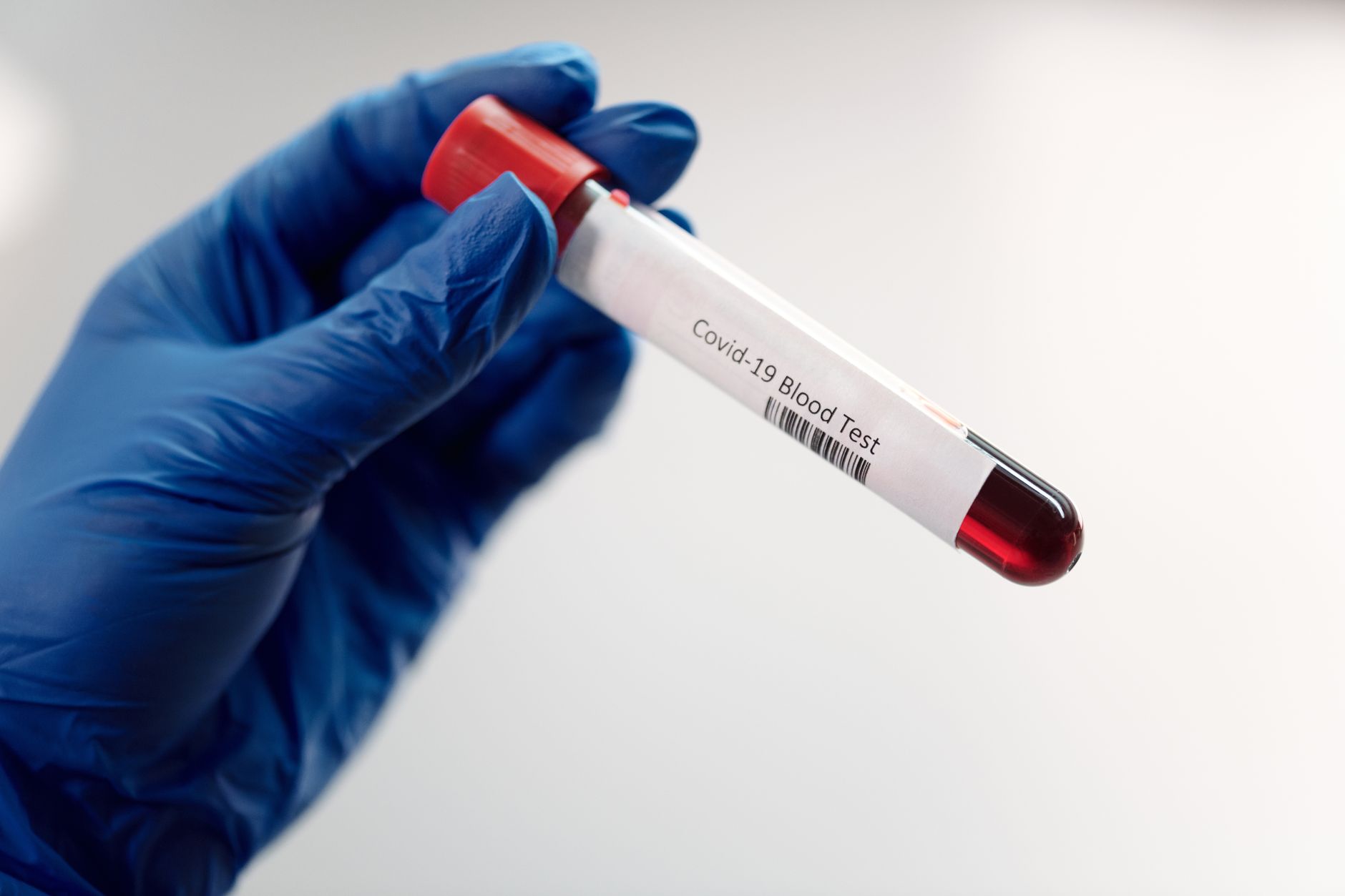
The COVID-19 pandemic exposed critical gaps in India's health research preparedness, from vaccine development capabilities to real-time disease surveillance systems. These lessons have informed the new policy's direction, emphasizing the need for a robust, self-reliant research infrastructure.
Key Focus Areas of the Policy
The National Health Research Policy 2026 is expected to prioritize several crucial areas. Disease surveillance and outbreak preparedness will likely receive enhanced attention, ensuring India can respond swiftly to future health emergencies. The policy aims to strengthen research into diseases that disproportionately affect Indian populations, including tuberculosis, malaria, diabetes, and cardiovascular conditions.
Indigenous drug development and medical technology innovation form another cornerstone. By encouraging domestic pharmaceutical research and reducing dependence on imported medical technologies, the policy seeks to make healthcare more accessible and affordable for ordinary citizens.
Institutional Reforms and Coordination
A major challenge in Indian health research has been the lack of coordination between government institutions, academic centers, and private sector players. The new policy framework is expected to establish clearer mechanisms for collaboration, data sharing, and resource pooling across these sectors.
Research institutions may see increased autonomy coupled with greater accountability measures. The policy likely includes provisions for streamlining ethical approval processes, which have often delayed critical research projects, while maintaining rigorous safety standards.
Funding and Resource Allocation
Adequate and sustained funding remains crucial for any research policy's success. India currently spends a relatively small percentage of its GDP on health research compared to developed nations. The 2026 policy is anticipated to outline increased budgetary commitments and innovative funding mechanisms.
These may include:
- Public-private partnership models for research funding
- Dedicated grants for young researchers and startups
- Tax incentives for private sector health research investments
- International collaboration frameworks to leverage global expertise and resources
Building Human Capital
India's strength lies in its talented scientific workforce, but brain drain and limited research opportunities have been persistent challenges. The new policy is expected to address this through enhanced career pathways for researchers, competitive fellowships, and improved research infrastructure at institutions across the country, not just in metro cities.
Special emphasis may be placed on creating research opportunities in tier-2 and tier-3 cities, ensuring that talent from across the country can contribute to national health priorities without necessarily relocating to major urban centers.
Technology and Digital Health Research
The policy recognizes that modern health research increasingly relies on digital tools, artificial intelligence, and big data analytics. Provisions for strengthening digital health infrastructure, including electronic health records integration and health data analytics capabilities, are likely included.
This technological thrust could position India as a leader in areas like telemedicine research, AI-powered diagnostics, and genomics, where the country's IT prowess can complement its medical expertise.
Community-Centric Research
Moving away from purely laboratory-based research, the policy emphasizes community engagement and field research. This approach ensures that research outcomes are relevant to real-world healthcare delivery challenges, particularly in rural and underserved areas where most Indians receive care.
Implementation science—studying how to effectively translate research findings into practice—is expected to receive greater attention, bridging the gap between discoveries and actual health improvements on the ground.
Timeline and Implementation
While the policy framework is being finalized for 2026, implementation will likely be phased over several years. Success will depend on sustained political commitment, adequate resource allocation, and active participation from all stakeholders in India's health ecosystem.
This article provides general information about health policy developments and should not be considered as medical or professional advice. Readers should consult appropriate healthcare professionals and official policy documents for specific guidance related to their circumstances.