India's space sector is witnessing a remarkable transformation as a private company ventures into territory previously dominated only by SpaceX. The development of a full-flow staged combustion cycle (FFSC) rocket engine represents one of the most ambitious technological achievements attempted by India's emerging commercial space industry.
The Technology Behind the Headlines
Full-flow staged combustion represents the pinnacle of rocket engine efficiency. Unlike traditional rocket engines that waste some propellant, FFSC engines burn all fuel and oxidizer in pre-burners before sending the hot gas through the main combustion chamber. This design extracts maximum energy from every drop of propellant, resulting in superior performance and efficiency.
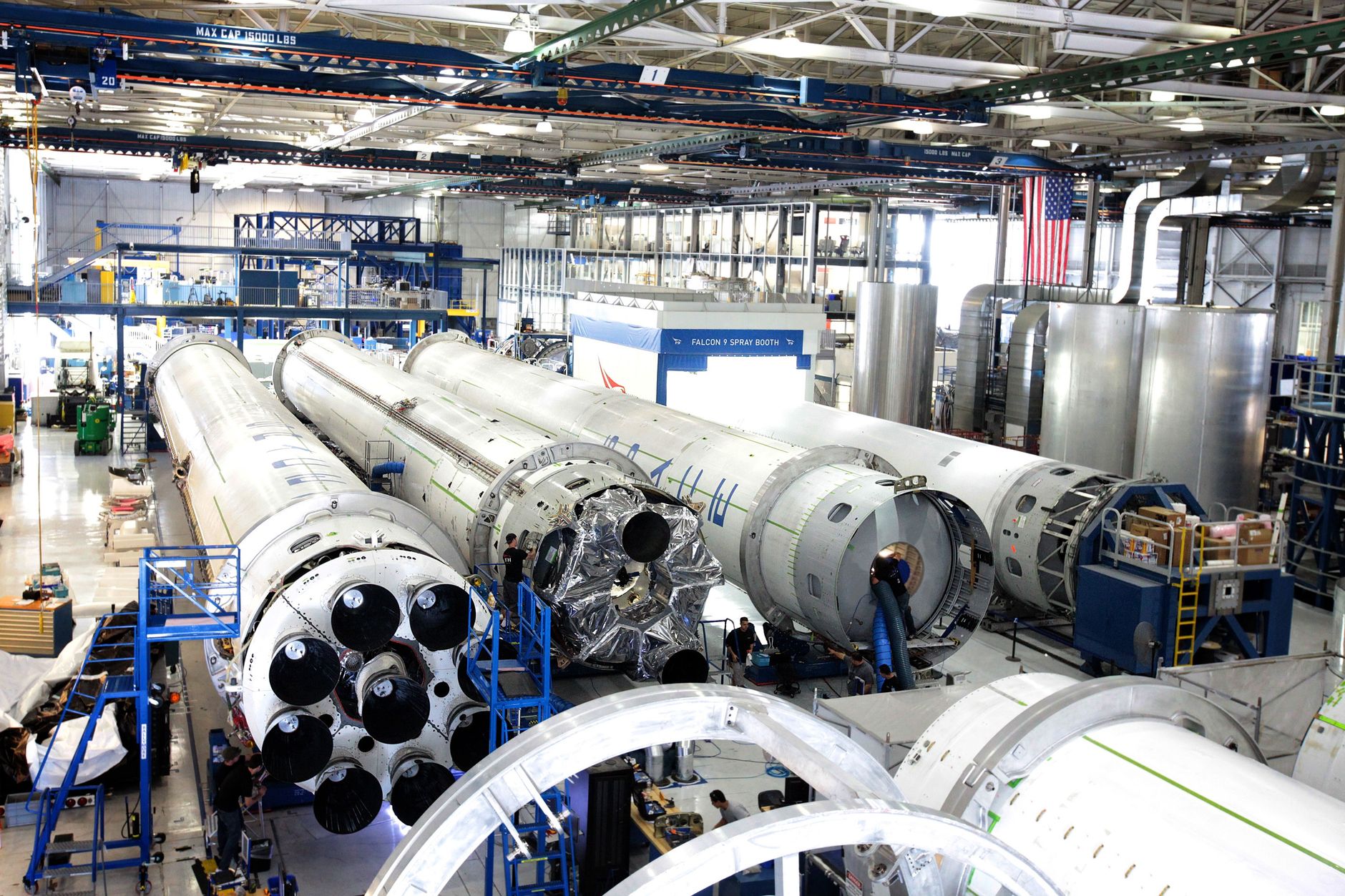
SpaceX's Raptor engine, which powers the Starship spacecraft, currently stands as the only operational example of this technology in spaceflight history. The engineering challenges are formidable, requiring materials that can withstand extreme temperatures and pressures while maintaining precise control over multiple combustion processes simultaneously.
India's Private Space Revolution
This development comes amid India's rapidly evolving space ecosystem. Following policy reforms that opened the space sector to private enterprise, several startups have emerged with ambitious goals. The company pursuing this engine technology represents the new generation of Indian aerospace firms operating independently from the Indian Space Research Organisation (ISRO), though often benefiting from the decades of expertise ISRO has cultivated.
The shift toward private space companies in India mirrors global trends where commercial entities increasingly complement government space agencies. These private players bring agility, innovation, and risk-taking capacity that traditional government organizations sometimes lack.
Why This Engine Matters
The choice to develop an FFSC engine signals serious long-term ambitions. Such engines are essential for reusable rockets, which dramatically reduce launch costs by flying multiple missions. Reusability has transformed the global launch market, with SpaceX demonstrating that rockets can land and fly again, slashing prices and increasing launch frequency.
For India, mastering this technology could position the country as a competitive player in the global commercial launch market. Currently, India offers cost-effective launches but primarily using expendable rockets. A reusable system with advanced engines could amplify these cost advantages while supporting heavier payloads and more complex missions.
Technical Challenges Ahead
Developing an FFSC engine from scratch presents extraordinary engineering hurdles. The technology requires advanced metallurgy for components that endure temperatures exceeding 3,000 degrees Celsius. Turbopumps must operate at speeds over 30,000 revolutions per minute while handling cryogenic propellants. The control systems must manage multiple combustion zones with millisecond precision.
Only a handful of countries and companies worldwide have attempted this technology. Several major aerospace organizations abandoned FFSC development due to its complexity, opting for simpler engine cycles instead. Russia developed FFSC engines but never flew them operationally before SpaceX succeeded with Raptor.
Implications for India's Space Future
Success in this venture could transform India's position in space. The country already operates a robust satellite program, lunar and Mars missions, and provides affordable launch services to international customers. Adding cutting-edge reusable rocket technology would complete the picture, making India a full-spectrum space power.
The development also creates high-value engineering jobs and builds deep technical capabilities within India's private sector. The knowledge gained from such projects radiates throughout the aerospace industry, elevating standards and attracting investment.
Timeline and Expectations
While specific timelines for this engine development remain uncertain, rocket engine programs typically require years from concept to flight. Even well-funded programs with experienced teams face setbacks. SpaceX spent over a decade developing Raptor, iterating through multiple versions.
The Indian effort benefits from SpaceX having proven the concept viable, providing a existence proof that encourages investment and persistence. However, each organization must solve the engineering challenges independently, as rocket technology remains tightly controlled and proprietary.
The Broader Context
This private sector initiative complements ISRO's ongoing work rather than competing with it. ISRO continues developing its own advanced engines and launch vehicles for national missions, while private companies target commercial markets and experimental technologies. This division of labor potentially accelerates India's overall space capabilities more effectively than either sector could achieve alone.
The global space economy continues expanding, with satellite internet, space tourism, and deep space exploration creating new opportunities. India's combined government and private space ecosystem positions the country to capture significant portions of this growing market while advancing scientific and strategic objectives.