India's ambitious mental health initiative, Tele-MANAS, has received international recognition from a prestigious British medical journal, highlighting the country's efforts to democratise mental healthcare access. The program represents a paradigm shift in how mental health services can be delivered at scale in a diverse, populous nation.
What is Tele-MANAS
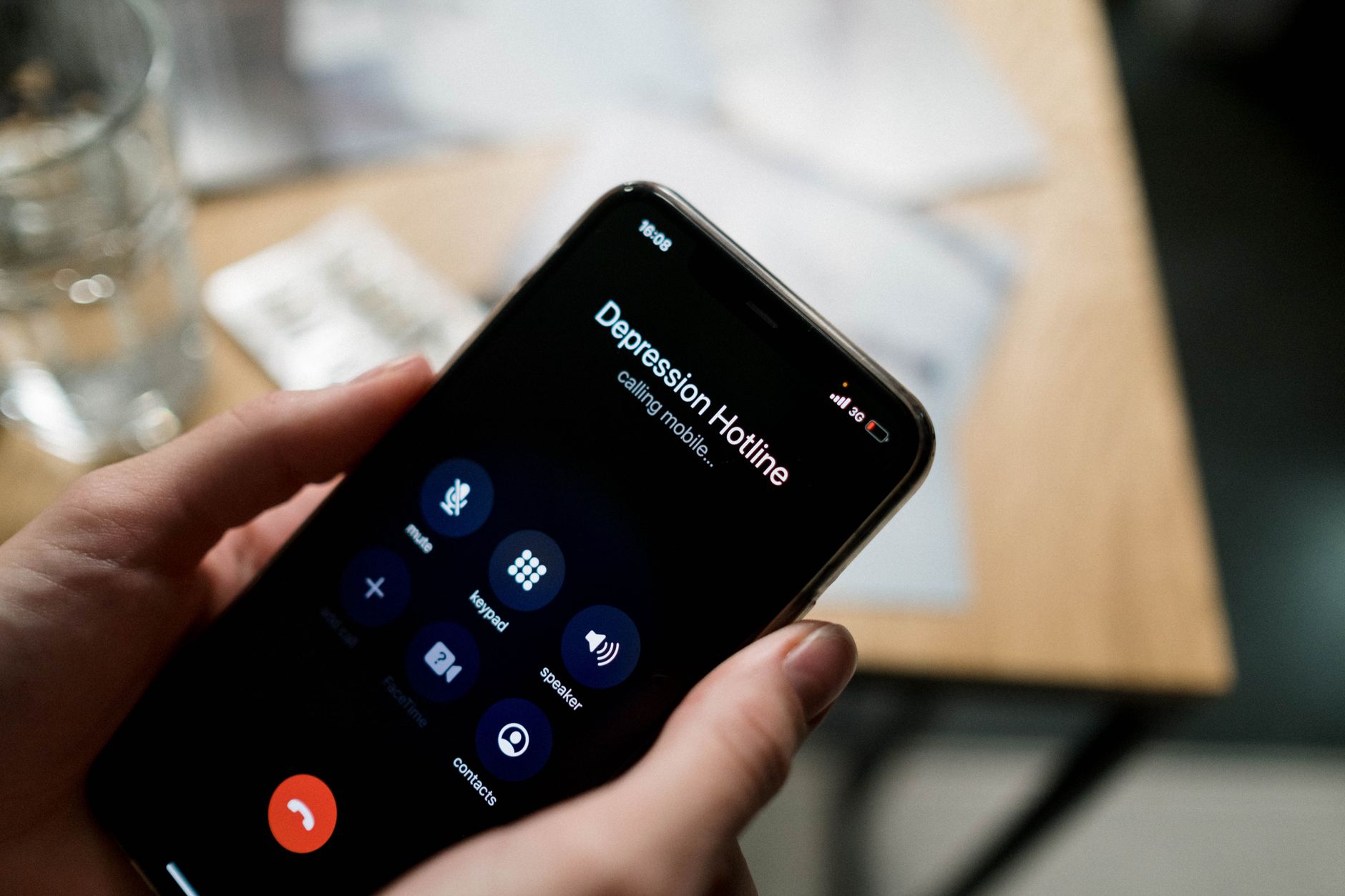
Tele-MANAS, which stands for Tele-Mental Health Assistance and Networking Across States, is a toll-free helpline initiative launched by the Indian government to provide free mental health counselling and support services. The program operates through a network of counsellors and mental health professionals who are accessible via phone, making mental health support available to anyone with a telephone connection.
The initiative was launched as part of the National Tele Mental Health Programme in October 2022, with the goal of providing immediate, accessible mental health support to citizens across all states and union territories. The helpline operates through a two-tier system, where trained counsellors provide initial support and refer complex cases to clinical psychologists, psychiatrists, or other mental health specialists.
Addressing India's Mental Health Crisis
India faces a significant mental health burden, with millions of citizens experiencing various forms of psychological distress, depression, anxiety, and other mental health conditions. Traditional barriers to mental healthcare—including stigma, lack of awareness, shortage of mental health professionals, and geographical constraints—have historically prevented many people from seeking help.
The recognition from a British medical journal underscores the innovative approach India has taken to overcome these challenges. By leveraging telecommunications infrastructure, the program bypasses many traditional barriers, allowing people to seek help anonymously from the privacy of their homes.
Scale and Impact
What sets Tele-MANAS apart as the world's largest government-led mental health initiative is its unprecedented scale and reach. The program aims to cover India's entire population of over 1.4 billion people, with dedicated helpline numbers for each state and union territory. This federal structure ensures that callers receive support in their regional languages and from counsellors familiar with local cultural contexts.
The initiative has reportedly handled lakhs of calls since its inception, addressing concerns ranging from stress and anxiety to depression, suicidal ideation, and substance abuse issues. The program operates 24/7, ensuring that help is available whenever someone needs it, regardless of the time of day.
Technology-Enabled Mental Healthcare
The Tele-MANAS model demonstrates how technology can be harnessed to address public health challenges in resource-constrained settings. Rather than requiring massive infrastructure investments in physical facilities, the program leverages existing telecommunications networks and trains a distributed workforce of mental health professionals.
The digital nature of the service also enables better data collection and analysis, helping policymakers understand mental health trends and allocate resources more effectively. This evidence-based approach can inform future mental health policies and interventions.
Broader Implications
The international recognition of Tele-MANAS has broader implications for global mental health. The model could serve as a blueprint for other developing nations facing similar challenges in mental healthcare delivery. The program demonstrates that government-led initiatives can successfully scale mental health services without requiring prohibitive investments in physical infrastructure.
Additionally, the recognition may help reduce the stigma associated with mental health in India. When a globally respected medical journal acknowledges such an initiative, it validates mental health as a legitimate health concern deserving of public resources and attention.
Challenges and the Road Ahead
Despite its success, Tele-MANAS faces ongoing challenges. Ensuring consistent quality of counselling across such a vast network, maintaining adequate staffing levels, providing continuous training to counsellors, and effectively managing the referral system for cases requiring specialist intervention are all critical concerns.
The program also needs sustained awareness campaigns to ensure that people know about the service and feel comfortable using it. Overcoming deep-seated cultural stigma around mental health remains a work in progress.
The recognition from the British journal serves as both validation and encouragement for India to continue investing in and refining this crucial public health initiative, potentially inspiring similar efforts worldwide.
This article is for general informational purposes only and is not intended as a substitute for professional mental health advice, diagnosis, or treatment. If you are experiencing a mental health crisis, please contact Tele-MANAS or appropriate emergency services in your area.