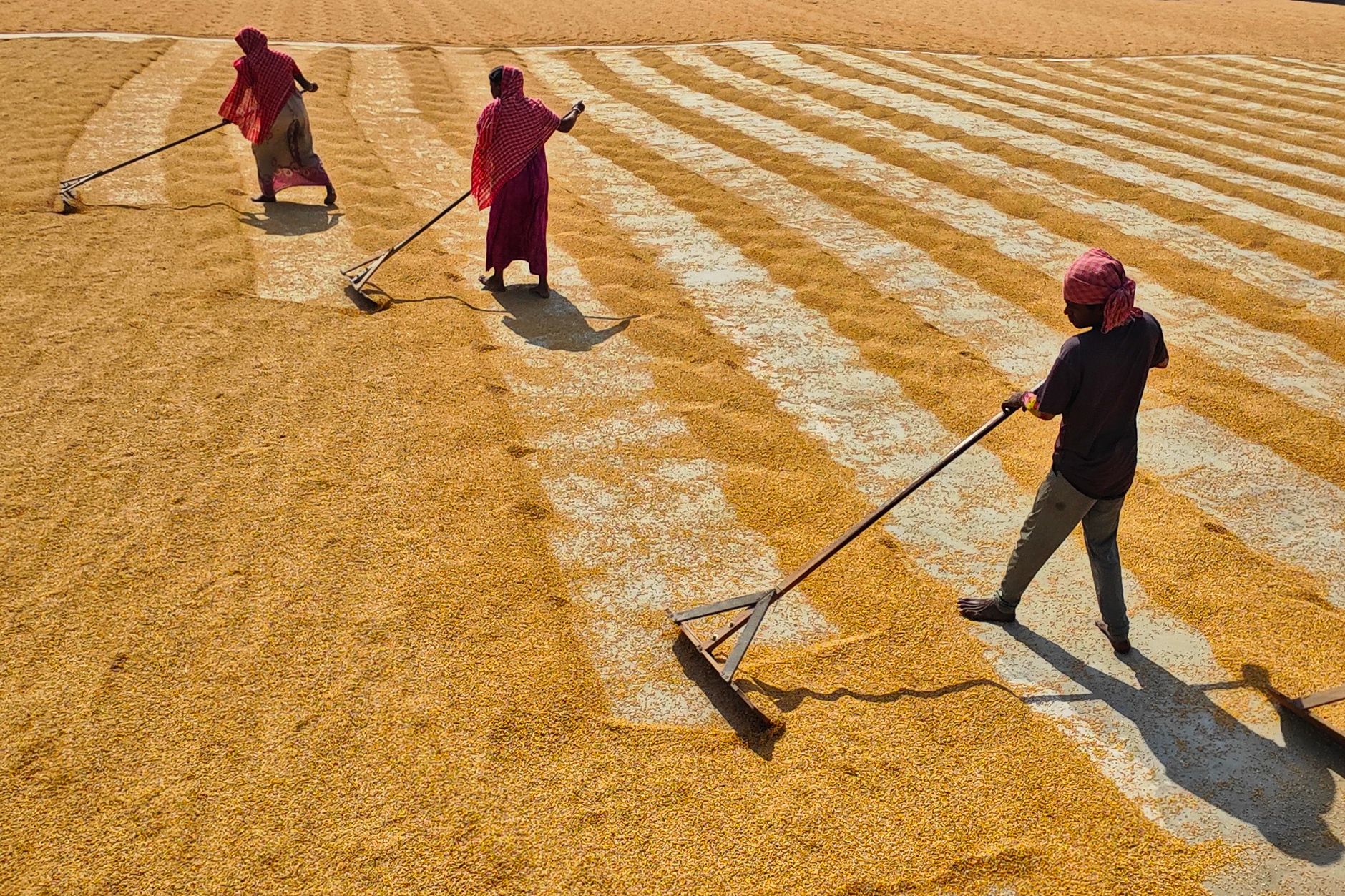
India receives generous sunshine throughout the year, with most regions getting over 300 sunny days annually. Yet medical data reveals a startling contradiction: an estimated 70-80% of the Indian population suffers from vitamin D deficiency. This paradox represents one of the country's most overlooked health crises, with implications ranging from weakened immunity to chronic diseases.
The Sunshine Vitamin Gap
Vitamin D, often called the sunshine vitamin, is produced naturally when skin is exposed to ultraviolet B (UVB) rays from the sun. Just 15-20 minutes of midday sun exposure on bare arms and legs should theoretically provide adequate vitamin D for most people. However, modern Indian lifestyles have created barriers between people and this free, natural source of an essential nutrient.
The shift toward indoor occupations has been dramatic over recent decades. IT professionals, office workers, students, and countless others spend 8-12 hours daily in air-conditioned buildings with minimal sun exposure. Even when outdoors, many Indians use umbrellas, cover up extensively, or apply sunscreen—all of which block UVB rays necessary for vitamin D synthesis.
Cultural and Environmental Factors
India's cultural preference for fair skin has led to widespread avoidance of direct sunlight. This deep-rooted bias means millions, particularly women, deliberately minimize sun exposure. Traditional clothing that covers most of the body, while culturally significant, also prevents adequate skin exposure to sunlight.
Air pollution in major Indian cities presents another significant barrier. Particulate matter and smog filter out UVB rays before they reach the ground. Studies suggest that pollution in cities like Delhi, Mumbai, and Kolkata can reduce vitamin D synthesis by up to 50%, even when people are outdoors.
Melanin, the pigment responsible for darker skin tones, acts as a natural sunscreen. While this provides protection against skin cancer, it also means people with darker complexions require longer sun exposure to produce the same amount of vitamin D as lighter-skinned individuals—often 3-5 times longer.
Dietary Deficiencies Compound the Problem
Unlike Western diets where vitamin D-fortified foods are common, traditional Indian diets contain limited natural sources of this nutrient. Fatty fish like salmon and mackerel, egg yolks, and fortified dairy products are the primary dietary sources, but many Indians consume these infrequently.
Vegetarian and vegan diets, followed by a significant portion of the population for religious or cultural reasons, make dietary vitamin D intake even more challenging. Plant-based sources are extremely limited, with mushrooms being one of the few naturally occurring options.
The Health Consequences
Vitamin D deficiency is far from benign. This nutrient plays crucial roles beyond bone health, including immune system regulation, cardiovascular function, and mental health. Deficiency has been linked to:
- Increased susceptibility to respiratory infections and other illnesses
- Higher risk of osteoporosis and bone fractures, especially in aging populations
- Greater likelihood of developing type 2 diabetes
- Correlation with depression and mood disorders
- Potential links to certain cancers and autoimmune conditions
Children with severe deficiency may develop rickets, causing bone deformities. In adults, deficiency can lead to osteomalacia, characterized by bone pain and muscle weakness. For pregnant women, inadequate vitamin D affects fetal development and increases complications risk.
Addressing the Crisis
Solving India's vitamin D deficiency requires multi-pronged approaches. Public health campaigns should educate people about safe sun exposure—approximately 15-30 minutes of midday sun on exposed skin several times weekly, without burning.
Fortification of commonly consumed foods like milk, cooking oil, and breakfast cereals could significantly improve population-level vitamin D status. Some Indian states have already initiated such programs, but nationwide implementation remains incomplete.
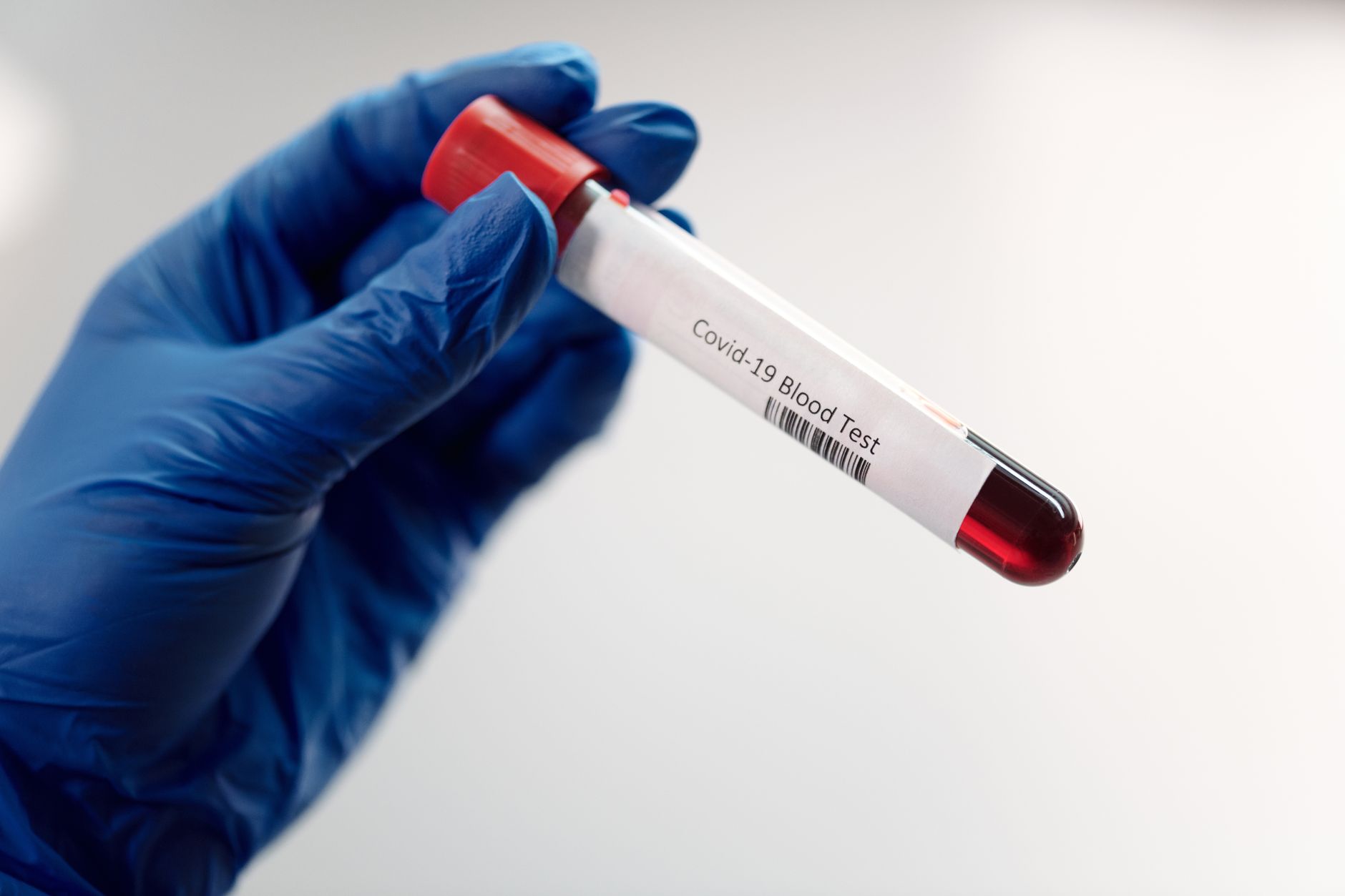
For many Indians, especially those with limited sun exposure or dietary restrictions, supplementation may be necessary. Blood tests can determine individual vitamin D levels, allowing doctors to prescribe appropriate doses. Typical supplementation ranges from 1,000 to 2,000 IU daily, though deficient individuals may require higher therapeutic doses initially.
Regular screening, particularly for high-risk groups including office workers, elderly individuals, pregnant women, and those with darker skin, can help identify and address deficiencies before serious complications develop.
India's vitamin D crisis demonstrates that geographic advantage means little without lifestyle and dietary practices that leverage it. Recognizing this silent epidemic is the first step toward healthier outcomes for millions.
This article is for general informational purposes only and does not constitute medical advice. Consult with a qualified healthcare provider for personalized guidance regarding vitamin D testing, supplementation, and treatment of deficiencies.