Every year, India's monsoon season brings not just floods and waterborne diseases, but also a hidden and often overlooked public health emergency: a dramatic spike in snakebite incidents. As heavy rains inundate fields, forests, and villages, snakes are forced out of their natural habitats and into human settlements, leading to increased encounters and potentially fatal bites.
The Scale of India's Snakebite Crisis
India accounts for nearly half of the world's snakebite deaths, with an estimated 58,000 people dying annually from venomous snakebites according to recent studies. The actual number could be higher, as many cases go unreported, particularly in rural areas where victims may seek traditional healers rather than medical facilities. The monsoon season sees a significant surge in these incidents, with some regions reporting up to a 40 percent increase in snakebite cases during the rainy months.
The four major venomous snakes responsible for most deaths in India are the spectacled cobra, common krait, Russell's viper, and saw-scaled viper. These species become particularly active and displaced during monsoons, increasing the likelihood of human-snake encounters in homes, agricultural fields, and flood-affected areas.
Why Monsoons Increase Snakebite Risk
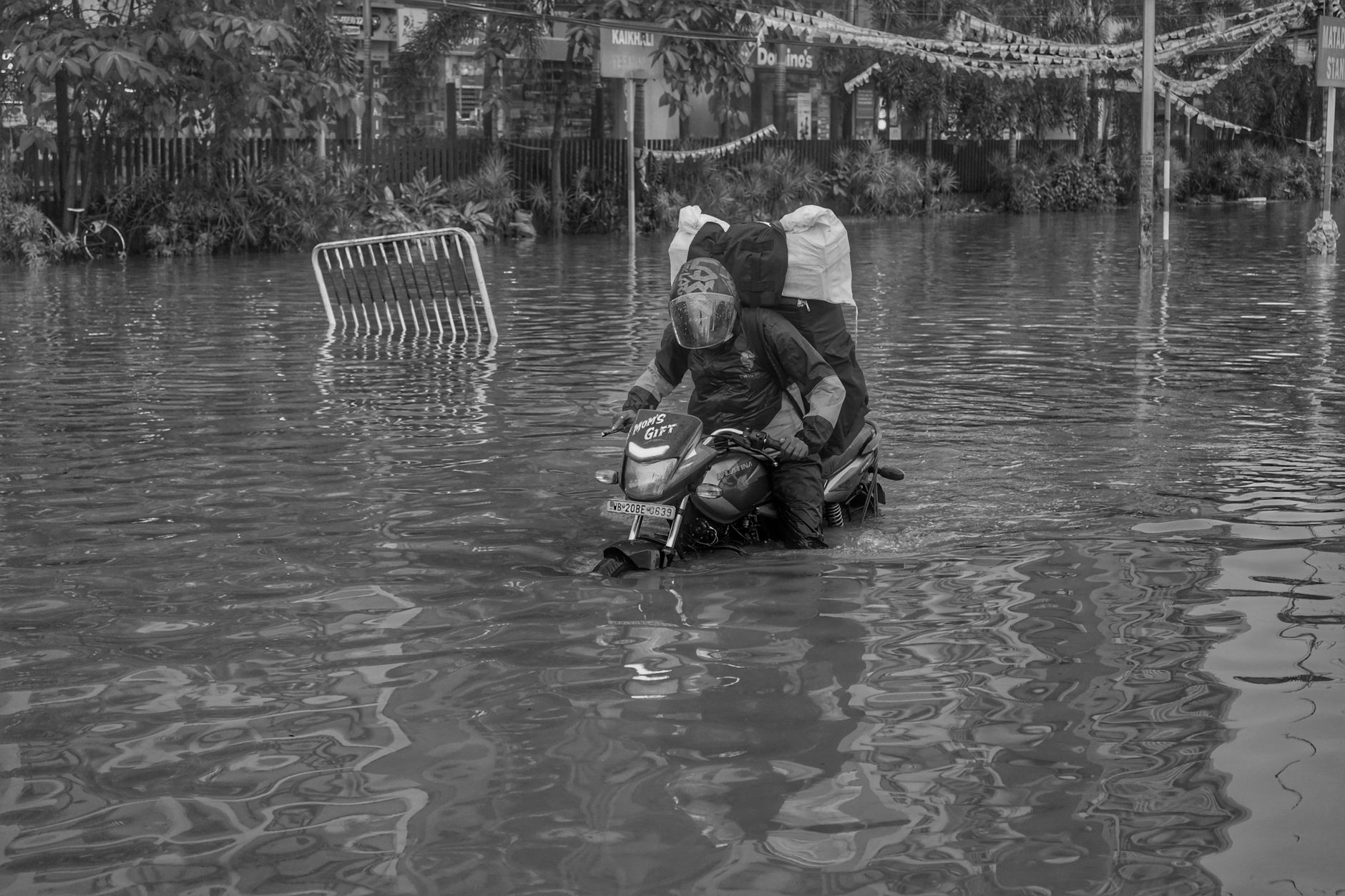
During heavy rains, snakes lose their shelter as burrows and hiding places get flooded. They are forced to seek higher ground, which often means entering human habitations, agricultural fields where people work, and temporary flood shelters where displaced families gather. The combination of reduced visibility during rains, people wading through water without proper footwear, and increased outdoor activities for flood management creates the perfect storm for snakebite incidents.
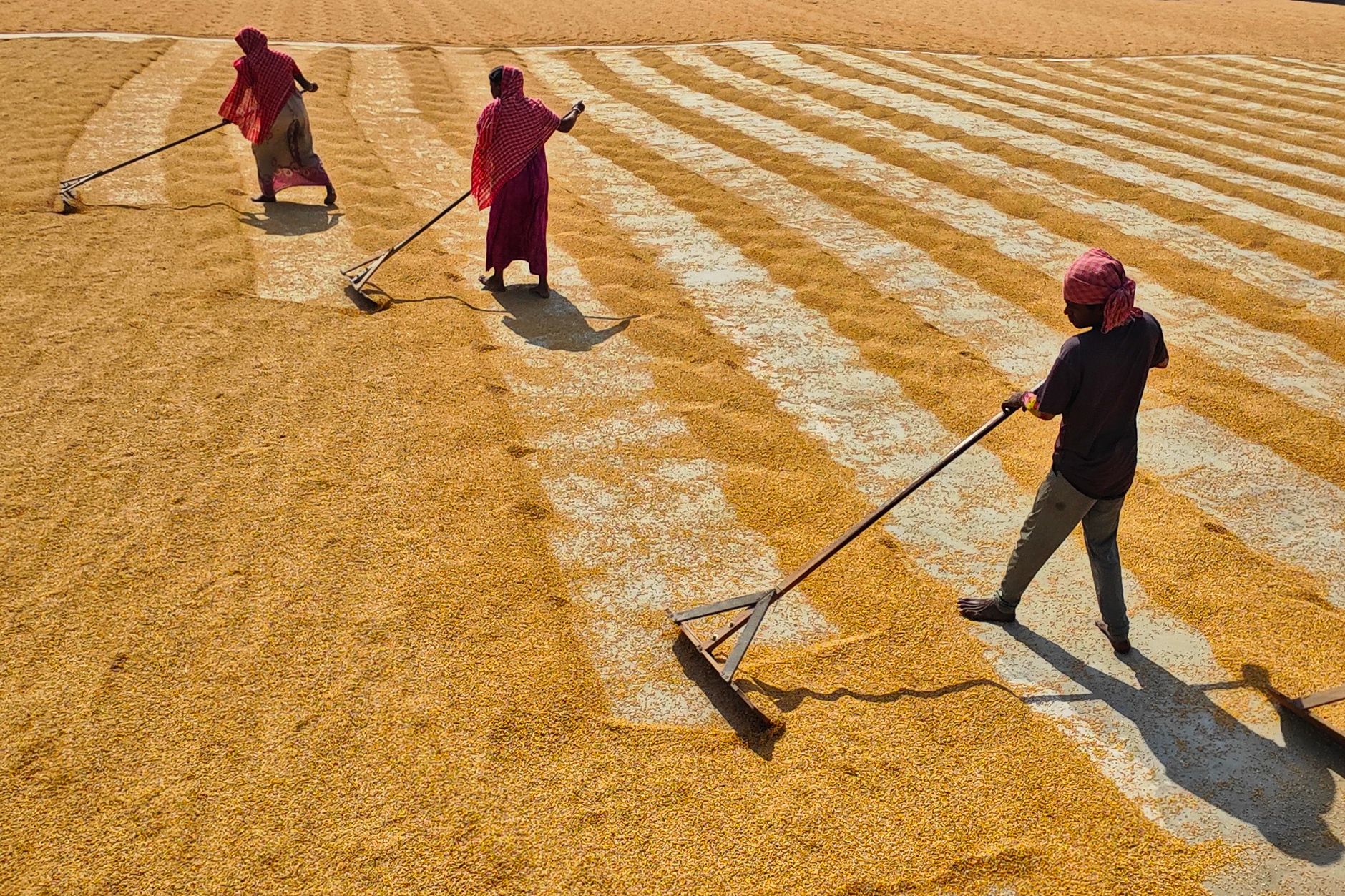
Agricultural workers are particularly vulnerable, as they wade through flooded paddy fields where snakes may be hiding. Children playing in waterlogged areas and people sleeping on floors in flood-affected homes also face elevated risks.
Current Gaps in Preparedness
Despite the predictable surge in snakebite cases every monsoon, most state health systems remain inadequately prepared. Critical gaps include insufficient stocks of polyvalent antivenom in rural primary health centers, lack of trained medical personnel who can identify snake species and administer appropriate treatment, and poor awareness among communities about first-aid measures and the importance of seeking immediate medical help.
Many victims lose precious hours traveling to district hospitals because local health facilities lack antivenom or trained staff. This delay often proves fatal, as the effectiveness of antivenom diminishes significantly if not administered within the first few hours of a bite.
What Governments Must Do
Health departments need to treat snakebite preparedness with the same urgency as flood management. This includes pre-positioning adequate antivenom stocks in all primary and community health centers in snake-endemic areas before the monsoon arrives, training frontline health workers to recognize venomous snakes and manage snakebite emergencies, establishing rapid referral systems with ambulance services to transport victims quickly, and launching public awareness campaigns about snake behavior during monsoons and appropriate first-aid responses.
State governments should also consider creating dedicated snakebite response teams that can be deployed to flood-affected areas, similar to disaster response teams. These teams could provide immediate medical assistance and help with snake rescue and relocation efforts.
Community-Level Interventions
Beyond government action, community preparedness is equally vital. Villages prone to flooding should be educated about wearing protective footwear and using torches when moving around at night or in waterlogged areas. Local health volunteers can be trained to provide basic first-aid and facilitate quick transport to medical facilities.
Traditional beliefs and practices often delay proper medical treatment, so awareness campaigns must address misconceptions about snakebites while respecting local cultures. Emphasizing that antivenom is the only effective treatment and that traditional remedies waste critical time can save lives.
A Predictable Crisis Needs Proactive Solutions
Unlike many natural disasters, the monsoon snakebite surge is entirely predictable. Every year, the rains come, snakes are displaced, and preventable deaths occur. With proper planning, adequate resource allocation, and coordinated action between health departments, disaster management agencies, and communities, this toll can be significantly reduced.
As climate change intensifies monsoon patterns and flooding events, the snakebite challenge may only grow. The time for governments to act is now—before the rains arrive, not after the casualties mount.
This article is for general informational purposes only and does not constitute medical advice. If bitten by a snake, seek immediate emergency medical attention at the nearest hospital equipped to handle snakebite cases.