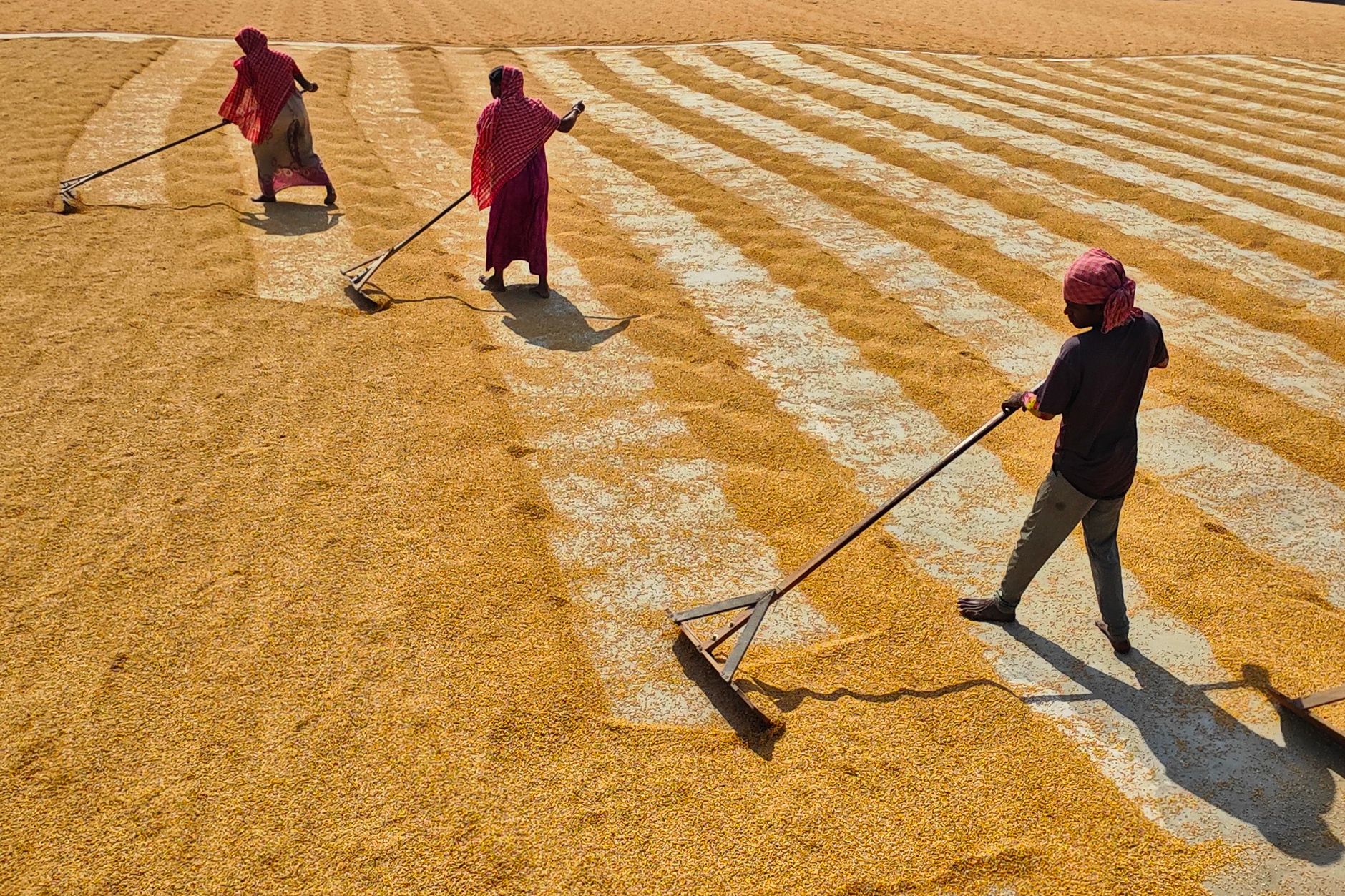
India is experiencing a paradox that would have seemed impossible just a generation ago. While millions still face food insecurity, a growing segment of the population is grappling with obesity and related health conditions. At the heart of this crisis lies a fundamental shift in dietary patterns characterized by excessive grain consumption and inadequate protein intake.
The Changing Indian Plate
Traditional Indian diets varied significantly across regions but generally maintained a balance between cereals, pulses, vegetables, and dairy. However, economic changes, urbanization, and the Green Revolution's success in boosting cereal production have dramatically altered what Indians eat daily. Rice and wheat now dominate plates across income groups, often at the expense of protein-rich foods like lentils, dairy, eggs, and meat.
This shift has been particularly pronounced in urban areas and among lower-middle-income households. The relative affordability of refined grains compared to protein sources has made carbohydrate-heavy diets the default choice for many families. Meanwhile, the consumption of pulses—historically India's primary protein source for vegetarian populations—has declined steadily over recent decades.
Understanding the Obesity-Malnutrition Link
The term "hidden hunger" describes a condition where people consume sufficient calories but lack essential nutrients. This phenomenon is increasingly common in India, where individuals may appear well-fed or even overweight while suffering from protein deficiency and micronutrient gaps.
High grain consumption leads to several metabolic issues. Refined carbohydrates cause rapid blood sugar spikes, triggering insulin resistance over time. Without adequate protein, the body struggles to build and maintain lean muscle mass, which is crucial for maintaining a healthy metabolism. The result is often increased fat storage, particularly around the abdomen, even when overall calorie intake isn't excessive.
The Protein Gap Crisis
Dietary surveys indicate that a significant portion of Indians consume less than the recommended daily protein intake. The Indian Council of Medical Research suggests adults need approximately 0.8 to 1 gram of protein per kilogram of body weight, yet average consumption falls well short, especially among vegetarian populations and lower-income groups.
This protein deficiency has far-reaching consequences beyond obesity. Children suffering from inadequate protein intake may experience stunted growth and cognitive development issues. Adults face increased risk of sarcopenia (muscle loss), weakened immunity, and slower recovery from illness. For pregnant women, insufficient protein can affect fetal development.
Economic and Cultural Factors
Several interconnected factors drive this dietary imbalance:
- Rising pulse prices making dal and legumes less affordable
- Subsidized grain distribution through public programs emphasizing quantity over nutritional quality
- Limited awareness about protein requirements and sources
- Cultural preferences and cooking traditions centered on rice or wheat
- The processed food industry promoting grain-based snacks and convenience foods
- Time constraints in urban households reducing home-cooked, balanced meals
The Health Consequences
The grain-heavy, protein-poor diet contributes to India's rising burden of non-communicable diseases. Type 2 diabetes rates have soared, with India now home to the world's second-largest diabetic population. Cardiovascular diseases, fatty liver conditions, and metabolic syndrome are becoming increasingly common, even among relatively young adults.
What makes this particularly concerning is that Indians appear to develop these conditions at lower body mass indexes compared to Western populations. The combination of genetic predisposition and poor dietary quality creates a perfect storm for metabolic disorders.
Finding Solutions
Addressing this crisis requires multi-pronged approaches. Government nutrition programs need to emphasize protein alongside caloric adequacy. Making pulses more affordable through better agricultural support and supply chain improvements could help families access these traditional protein sources.
Public health campaigns must educate people about balanced nutrition, emphasizing the importance of protein in every meal. Simple interventions like adding eggs to school meal programs or promoting affordable protein sources like soy and local legumes can make significant differences.
At the household level, conscious efforts to include protein-rich foods in every meal—whether through dal, dairy products, eggs, or affordable meat options—can help rebalance the Indian plate. Even small additions like sprouted moong in breakfast or buttermilk with lunch contribute to better protein intake.
The path forward requires recognizing that obesity and malnutrition aren't opposite problems but often two sides of the same nutritional coin. Only by addressing the fundamental imbalance in Indian diets can the country hope to reverse its rising obesity crisis while ensuring genuine nutritional security for all.
This article provides general health information and should not replace professional medical advice. Consult healthcare providers or registered dietitians for personalized nutrition guidance suited to your individual health needs.