In a significant development for sports healthcare in India, three major institutions have joined forces to create a comprehensive framework for athlete care and sports medicine advancement. This collaboration marks an important step toward building world-class medical support systems for both elite athletes and sports enthusiasts across the country.
Understanding the Partnership
The memorandum of understanding brings together three key players in Indian sports and healthcare. The Sports Injury Centre serves as a specialized facility dedicated to treating sports-related injuries and conditions. Safdarjung Hospital, one of Delhi's premier government healthcare institutions, provides extensive medical infrastructure and expertise. The Sports Authority of India, the apex national sports body, oversees athlete development and competitive sports programs nationwide.
This tripartite agreement aims to create synergies between clinical excellence, research capabilities, and practical athlete management. By pooling resources and expertise, these institutions can address the growing demand for specialized sports medicine services as India expands its sporting ambitions on both national and international stages.
Key Objectives of the Collaboration
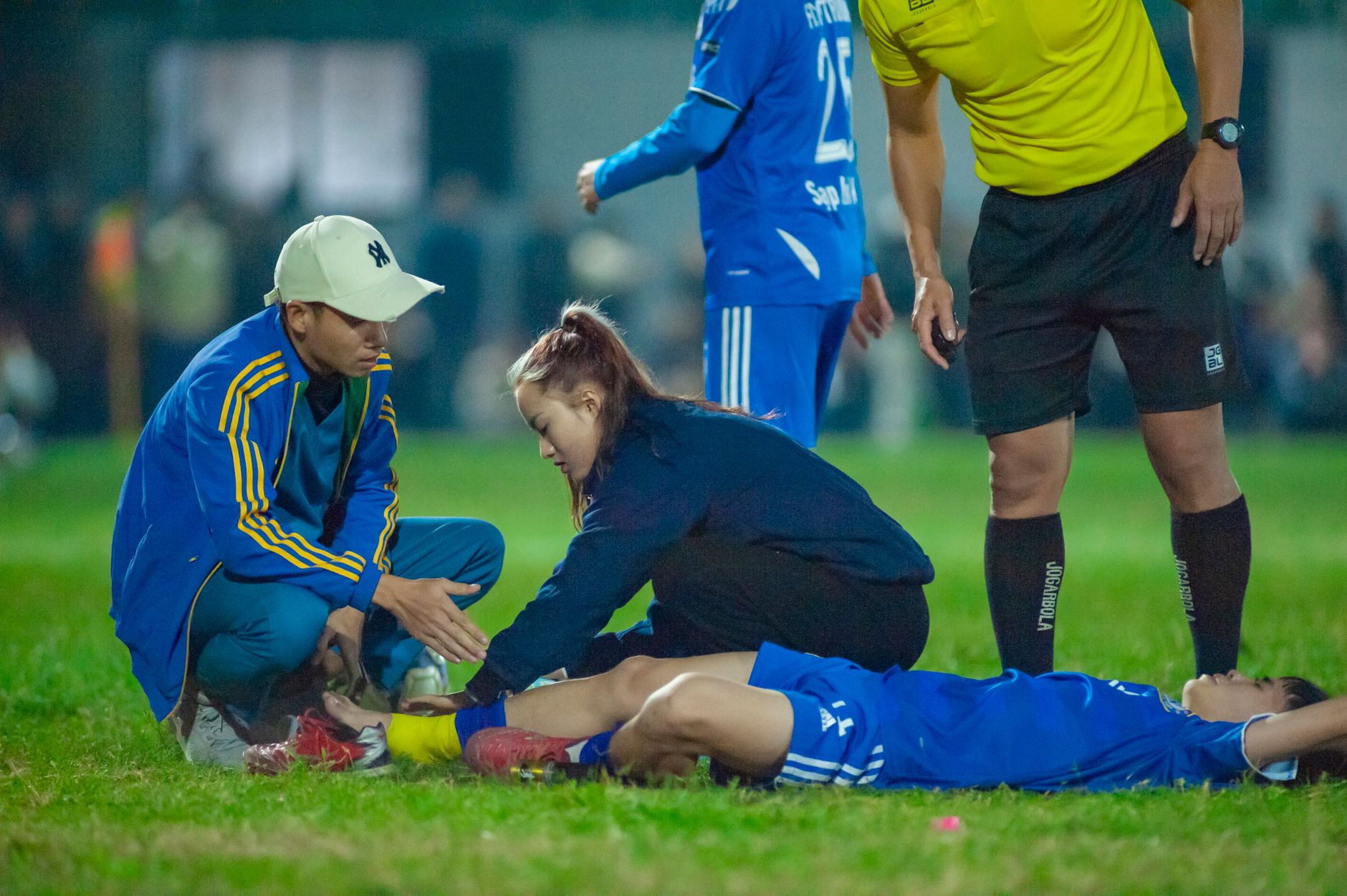
The partnership focuses on several critical areas that have long needed attention in Indian sports healthcare. Enhanced injury prevention programs will help athletes avoid common problems through better screening, biomechanical analysis, and preventive conditioning protocols. When injuries do occur, athletes will benefit from standardized treatment protocols based on international best practices.
Rehabilitation services form another cornerstone of this initiative. Many athletes struggle to return to peak performance after injury due to inadequate rehabilitation support. The collaboration aims to establish comprehensive recovery programs that combine physiotherapy, strength training, and gradual return-to-sport protocols under medical supervision.
Benefits for Athletes at All Levels
While elite athletes competing at national and international levels will certainly benefit, this partnership extends its reach to grassroots sports participants as well. Young athletes in development programs will have access to better medical screening and injury management, potentially preventing career-limiting problems before they become serious.
The agreement also emphasizes knowledge sharing and capacity building. Medical professionals, physiotherapists, and sports trainers will receive specialized training in sports medicine, creating a larger pool of qualified practitioners across the country. This expanded expertise will eventually benefit athletes in smaller cities and towns beyond major metropolitan areas.
Addressing India's Sports Medicine Gap
India has historically lagged behind many nations in sports medicine infrastructure despite having a massive population of sports enthusiasts and a growing competitive sports sector. Many athletes have had to seek treatment abroad for specialized injuries, or have retired prematurely due to inadequate medical support at home.
This collaboration addresses these gaps by creating centers of excellence that can handle complex sports injuries and chronic conditions. The partnership will likely facilitate research into injury patterns specific to Indian athletes, considering factors like training conditions, climate, and popular sports disciplines in the country.
Research and Innovation Components
Beyond immediate patient care, the agreement includes provisions for collaborative research in sports medicine. Understanding injury mechanisms, testing new treatment modalities, and developing prevention strategies require systematic research efforts. The combined capabilities of these institutions create opportunities for clinical trials and evidence-based practice development.
Data collection and analysis will help identify trends in sports injuries, enabling proactive measures. For instance, if certain injuries appear frequently in specific sports or age groups, targeted prevention programs can be designed and implemented through Sports Authority of India's training centers nationwide.
Impact on India's Sports Performance
Better healthcare support translates directly into improved athletic performance. Athletes who receive prompt, expert treatment for injuries return to competition faster and with lower risk of re-injury. Preventive care helps athletes maintain peak condition throughout their competitive careers, potentially extending their productive years in sport.
As India aims to improve its standing in international competitions, including the Olympics and Asian Games, such infrastructure becomes essential. Countries that consistently perform well in global sports have robust sports medicine systems supporting their athletes from grassroots to elite levels.
Implementation and Future Outlook
The success of this memorandum will depend on effective implementation and sustained commitment from all parties. Regular monitoring, feedback from athletes and medical staff, and willingness to adapt programs based on outcomes will determine long-term impact.
This partnership could serve as a model for similar collaborations across other regions of India, gradually building a nationwide network of sports medicine excellence. As the initiative matures, it may incorporate additional partners, including private hospitals, sports equipment manufacturers, and international sports medicine institutions.
This article is for general information purposes only and does not constitute medical advice. Athletes with injuries or health concerns should consult qualified healthcare professionals for personalized medical guidance.