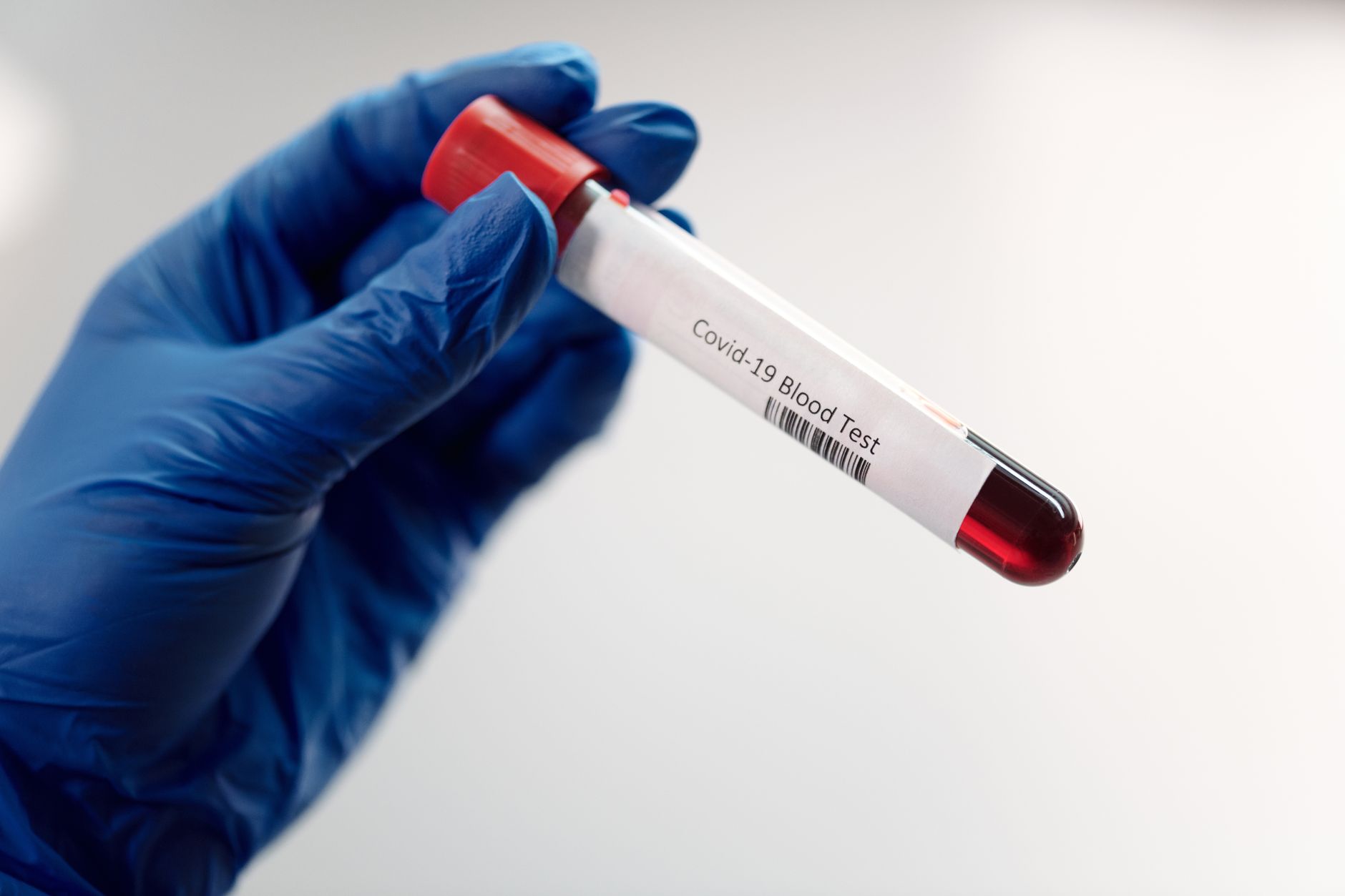
Prime Minister Narendra Modi's recent statements highlighting preventive healthcare and research infrastructure as cornerstones of India's future represent a significant policy direction for the nation's health sector. This focus marks a strategic shift from purely curative medicine toward a more sustainable, cost-effective approach to public health.
Understanding Preventive Healthcare
Preventive healthcare involves measures taken to prevent diseases rather than treating them after they occur. This includes regular health screenings, vaccinations, lifestyle modifications, health education, and early detection programs. For a country like India with a population exceeding 1.4 billion people, preventive care offers a pathway to reduce the burden on an already strained healthcare system.
The economics of prevention are compelling. Treating chronic diseases like diabetes, heart disease, and cancer consumes enormous healthcare resources. By contrast, investing in prevention—through immunization programs, awareness campaigns about nutrition and exercise, and regular health check-ups—can reduce disease incidence and associated costs significantly.
Why Preventive Healthcare Matters for India
India faces a unique health challenge: a double burden of communicable and non-communicable diseases. While infectious diseases remain prevalent in many areas, lifestyle-related conditions like diabetes, hypertension, and cardiovascular diseases are rising rapidly, particularly in urban areas.
Current health statistics paint a concerning picture. India is often called the diabetes capital of the world, with millions living with the condition. Heart disease strikes Indians at younger ages compared to Western populations. Many of these conditions are preventable through early intervention, dietary changes, and regular physical activity.
A preventive approach also addresses healthcare accessibility. Many Indians, particularly in rural areas, lack easy access to advanced medical facilities. By preventing diseases before they become serious, the system reduces the need for specialized treatment that may be geographically or financially out of reach.
The Role of Research Ecosystem
A strong research ecosystem forms the foundation for effective preventive healthcare. India needs indigenous research to understand disease patterns specific to its diverse population, develop affordable diagnostic tools, and create treatment protocols suited to local conditions.
Currently, India relies heavily on medical research conducted in Western countries, which may not always translate well to Indian genetics, lifestyles, or socioeconomic conditions. Building domestic research capacity allows for solutions tailored to Indian needs.
Research infrastructure includes well-equipped laboratories, trained scientists, funding mechanisms, and collaboration between academic institutions, government bodies, and private industry. It also involves clinical trials, epidemiological studies, and data collection systems that can track health trends across different regions and demographics.
Key Components of the Vision
Several elements are essential to realize this preventive healthcare and research-focused future:
- Strengthening primary health centers with screening equipment and trained personnel
- Expanding health education programs in schools and communities
- Developing digital health records for tracking individual health trajectories
- Increasing funding for medical research institutions and universities
- Creating incentives for pharmaceutical companies to invest in preventive solutions
- Building partnerships between public and private sectors for research initiatives
- Training more healthcare workers in preventive medicine and public health
Technology as an Enabler
Digital technology can accelerate preventive healthcare adoption. Telemedicine platforms can facilitate regular health consultations without physical travel. Mobile apps can remind people about medications, track vital signs, and provide health tips. Artificial intelligence can analyze health data to identify at-risk populations.
India's success with digital public infrastructure in other sectors—from payments to identity verification—provides a template for creating similar systems in healthcare. A unified health database, while respecting privacy concerns, could enable predictive analytics to identify disease outbreaks or high-risk individuals.
Challenges Ahead
Implementing a preventive healthcare model faces several obstacles. Changing mindsets from reactive to proactive health management requires sustained awareness efforts. Rural-urban disparities in healthcare access need addressing. Research institutions require consistent funding and protection from bureaucratic hurdles.
Additionally, preventive healthcare requires long-term commitment. Results may not be immediately visible, unlike curative medicine where patients experience direct relief. Policymakers must resist the temptation to divert resources toward more visible short-term solutions.
The Path Forward
Success will depend on coordinated action across government departments, healthcare providers, educational institutions, and citizens themselves. Regular health check-ups should become as routine as annual financial planning. Schools should incorporate health literacy into curricula. Workplaces should promote wellness programs.
By positioning preventive healthcare and research as national priorities, India can potentially leapfrog traditional healthcare development pathways, creating a model that other developing nations might emulate while improving the health and productivity of its population.
This article is for general informational purposes only and does not constitute medical advice. Readers should consult qualified healthcare professionals for specific health concerns and treatment recommendations.