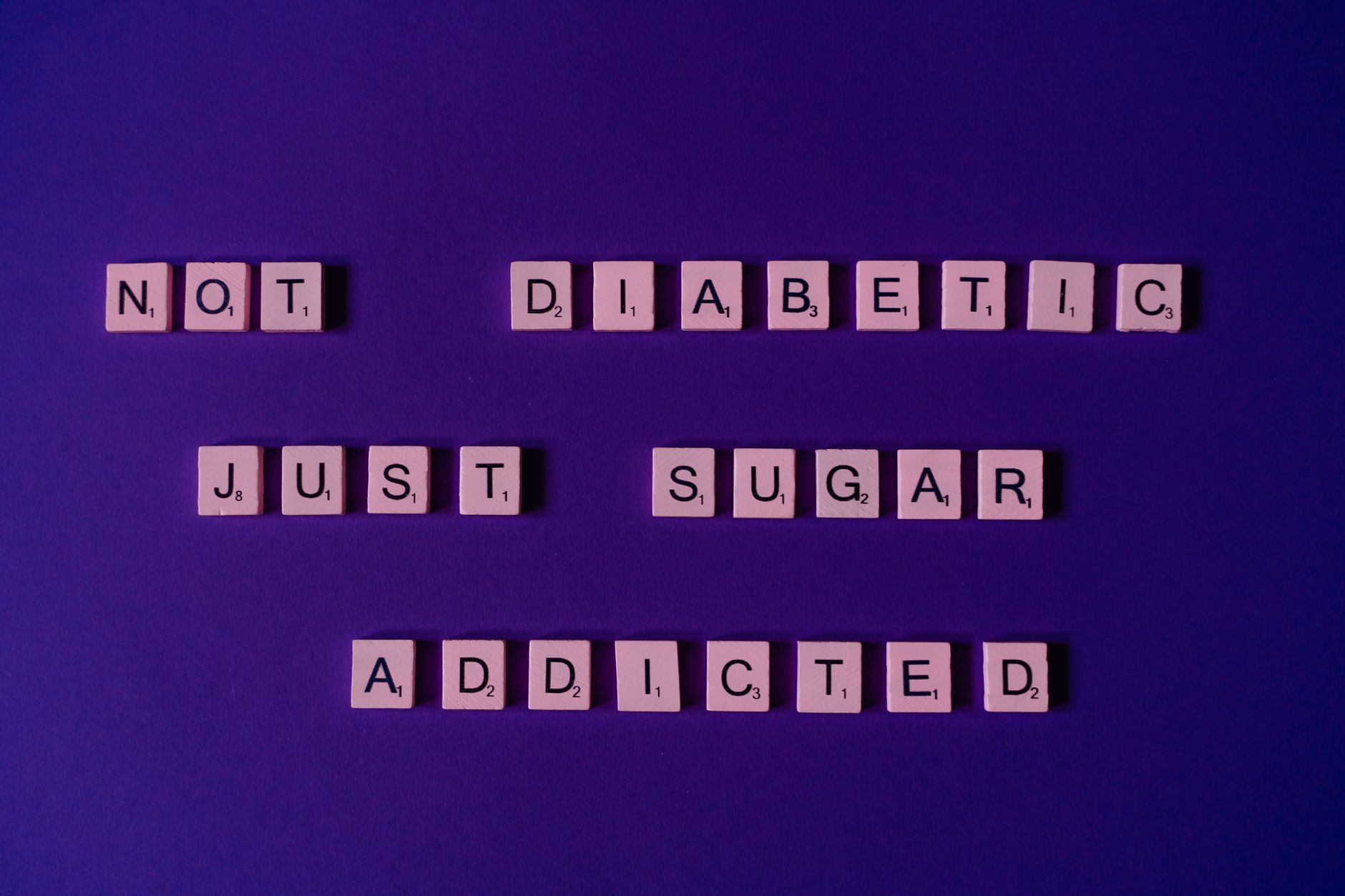
India faces a unique healthcare challenge that demands urgent attention: the country is simultaneously grappling with a diabetes epidemic and a mental health crisis. What makes this situation particularly concerning is the increasingly evident bidirectional relationship between these two conditions—a connection that researchers refer to as psychometabolic links.
The Scale of the Problem
India is often called the diabetes capital of the world, with over 77 million adults currently living with the condition. Simultaneously, mental health disorders affect approximately 150 million Indians, yet fewer than 30 percent receive adequate care. These numbers alone are staggering, but the real concern lies in their overlap. Studies suggest that people with diabetes are two to three times more likely to experience depression compared to the general population, while those with severe mental health conditions face a significantly elevated risk of developing type 2 diabetes.
Understanding Psychometabolic Connections
The relationship between mental health and metabolic disorders operates through multiple pathways. Chronic stress and depression trigger the release of cortisol and other stress hormones that directly interfere with insulin function and glucose metabolism. This hormonal cascade can lead to insulin resistance, a precursor to type 2 diabetes. Conversely, the physical burden of managing diabetes—constant blood sugar monitoring, dietary restrictions, and medication adherence—creates significant psychological stress that can manifest as anxiety, depression, or burnout.
Biological mechanisms further complicate this relationship. Inflammation, which plays a role in both depression and diabetes, creates a shared pathological foundation. Additionally, certain psychiatric medications, particularly antipsychotics used to treat conditions like schizophrenia and bipolar disorder, carry a substantial risk of weight gain and metabolic disruption.
The Indian Context
Several factors make this psychometabolic connection particularly relevant in India. Rapid urbanization has transformed lifestyles, introducing sedentary habits and processed food consumption while reducing physical activity. The resulting obesity epidemic serves as a common risk factor for both diabetes and certain mental health conditions.
Cultural stigma surrounding mental health in Indian society means that psychological distress often goes unrecognized and untreated. Many individuals with diabetes may be suffering from comorbid depression without ever receiving a mental health assessment. The fragmented nature of India's healthcare system, where endocrinologists and psychiatrists rarely collaborate, means these interconnected conditions are typically treated in isolation.
Breaking the Vicious Cycle
Understanding psychometabolic links opens new avenues for intervention. When a person with diabetes receives treatment for concurrent depression, their glycemic control often improves. Similarly, addressing metabolic health through diet and exercise has demonstrated benefits for mental wellbeing, independent of other treatments.
Integrated care models that screen diabetes patients for mental health concerns, and vice versa, represent a crucial step forward. Some progressive healthcare institutions are now employing collaborative care approaches where mental health professionals work alongside diabetologists and primary care physicians.
Lifestyle Interventions as Common Ground
One of the most promising aspects of addressing psychometabolic health is that lifestyle modifications benefit both conditions simultaneously. Regular physical activity improves insulin sensitivity while also reducing symptoms of depression and anxiety through the release of endorphins and other mood-regulating neurotransmitters.
Mindfulness-based interventions and yoga, deeply rooted in Indian traditions, have shown measurable benefits for both glycemic control and psychological wellbeing. These practices reduce stress, improve emotional regulation, and may even influence inflammatory markers that underlie both condition categories.
The Path Forward
Addressing India's intertwined diabetes and mental health epidemics requires a paradigm shift in how healthcare is delivered. Medical education must emphasize these psychometabolic connections, training future doctors to recognize and address both dimensions of patient health. Public health campaigns should raise awareness about the mind-body connection, helping reduce stigma while encouraging people to seek holistic care.
Investment in research specific to Indian populations is essential, as genetic, dietary, and cultural factors may influence how these conditions interact in ways not fully captured by Western studies. Furthermore, making mental health services more accessible and affordable would allow millions of Indians with diabetes to receive the comprehensive care they need.
The recognition of psychometabolic links represents more than an academic insight—it offers a practical framework for tackling two of India's most pressing health challenges simultaneously, potentially improving outcomes for millions while optimizing limited healthcare resources.
This article is for general informational purposes only and should not replace professional medical advice. Individuals with diabetes or mental health concerns should consult qualified healthcare providers for personalized diagnosis and treatment.