State Bank of India has expanded its corporate social responsibility footprint in the healthcare sector with SBI Sanjeevani, an initiative deploying mobile medical units across underserved regions of India. At the heart of this programme lies a sophisticated dashboard system designed to monitor, track, and optimize healthcare delivery to communities that lack access to basic medical facilities.
What is SBI Sanjeevani
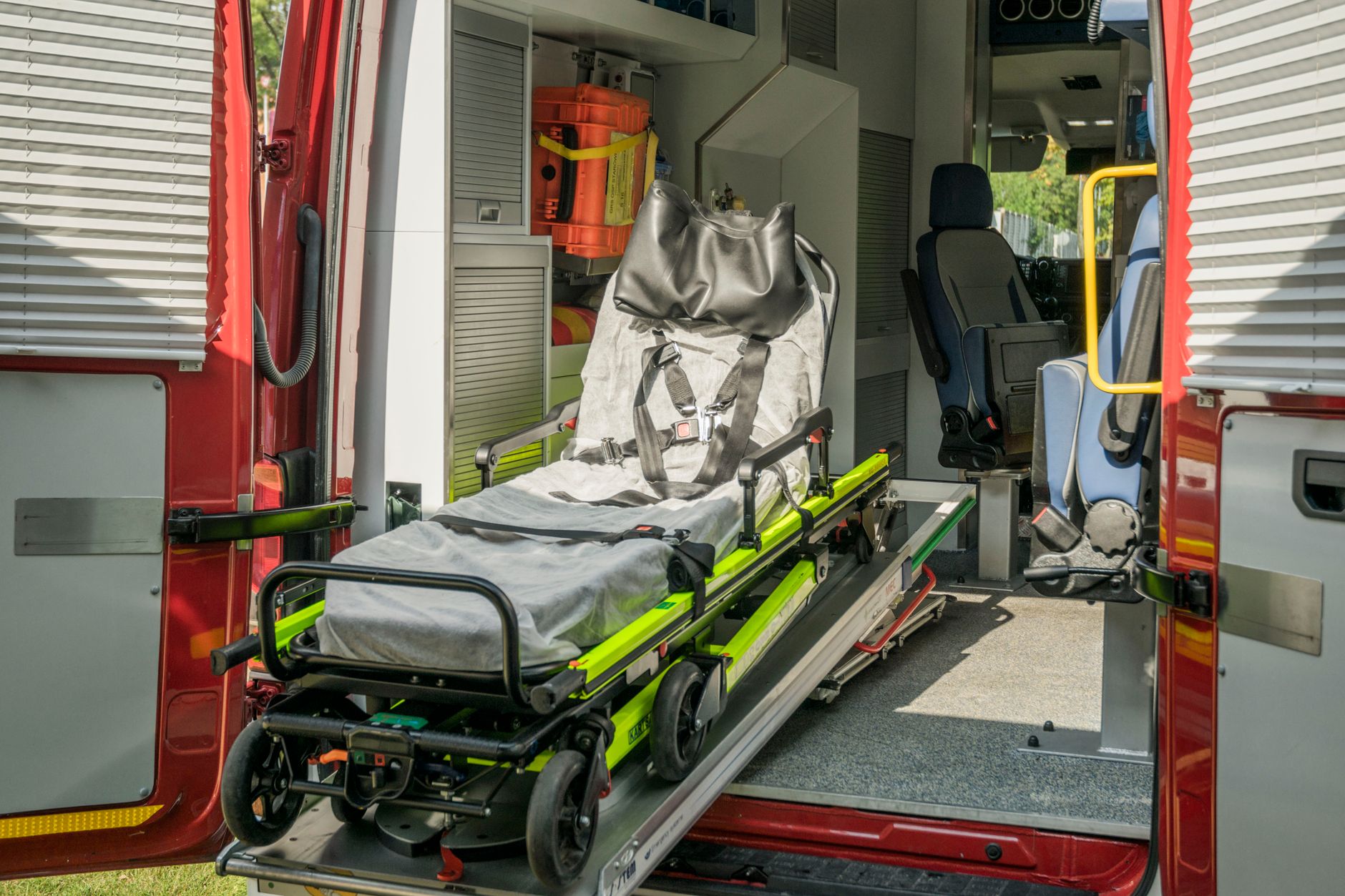
SBI Sanjeevani represents the banking giant's commitment to bridging the healthcare gap in rural and remote parts of India. The initiative operates fully-equipped mobile medical units—essentially hospitals on wheels—that travel to villages, tribal areas, and urban slums where residents face significant barriers in accessing healthcare services. These units are staffed with qualified medical professionals and carry diagnostic equipment, essential medicines, and facilities for basic health screenings.
The programme operates in partnership with various NGOs and healthcare organizations across multiple states, ensuring local expertise and community trust form the foundation of service delivery.
The Dashboard: A Digital Command Centre
The Mobile Medical Units Dashboard serves as the technological backbone of the SBI Sanjeevani initiative. This digital platform provides real-time visibility into every aspect of the mobile healthcare operations, transforming how the programme is managed and evaluated.
The dashboard typically includes several key features:
- GPS-based tracking of each mobile medical unit's location and route
- Daily patient count and demographic data collection
- Types of medical services provided and medicines dispensed
- Health camps scheduled and completed
- Performance metrics for individual units and partner organizations
- Photographic documentation of healthcare camps and patient interactions
- Feedback mechanisms from beneficiaries and medical staff
Benefits of Dashboard-Driven Healthcare Delivery
The integration of technology through a centralized dashboard brings multiple advantages to the SBI Sanjeevani programme. Transparency stands out as perhaps the most significant benefit—donors, stakeholders, and the public can see exactly how resources are being utilized and how many people are receiving care.
Resource optimization becomes possible when programme managers can analyze data patterns. If certain routes show lower patient turnout, units can be redirected to areas with greater need. If specific health issues emerge as patterns in particular regions, medical supplies can be adjusted accordingly.
The dashboard also enables evidence-based reporting. Rather than relying on anecdotal success stories, SBI can demonstrate impact through concrete numbers—patients served, diseases detected early, referrals made to tertiary care facilities, and lives potentially saved through preventive interventions.
Technology Specifications and Data Management
While specific technical details of the SBI Sanjeevani dashboard may vary, such systems typically employ cloud-based architectures accessible through web browsers and mobile applications. Field staff use tablets or smartphones to input data at the point of care, which synchronizes with the central database when internet connectivity is available.
Data security and patient privacy remain paramount considerations. Personal health information is typically anonymized for aggregate reporting while maintaining necessary records for individual patient follow-ups. The system must comply with India's data protection regulations and healthcare privacy standards.
Challenges and Solutions in Implementation
Deploying a technology-driven healthcare programme across diverse Indian terrains presents unique challenges. Connectivity remains inconsistent in many target areas, requiring offline data capture capabilities with later synchronization. Language diversity necessitates multilingual interfaces for both patients and healthcare workers.
Training healthcare providers to use digital tools alongside their medical duties requires ongoing capacity building. The dashboard must be intuitive enough that busy doctors and nurses can input data without significant time burden, ensuring that technology enhances rather than hinders patient care.
Impact on Community Health Outcomes
Mobile medical units tracked through digital dashboards represent a scalable model for reaching India's last-mile healthcare challenges. Early detection of chronic diseases like diabetes and hypertension, maternal and child health services, health education, and referral pathways to district hospitals all become more systematic and measurable.
For NGOs seeking partnerships with corporate CSR programmes, the SBI Sanjeevani model demonstrates how technology can enhance accountability and impact measurement—factors increasingly important to funders and implementing organizations alike.
The dashboard-driven approach also creates valuable health data that can inform public health policy, revealing disease patterns and healthcare gaps that might otherwise remain invisible in official statistics.
This article provides general information about healthcare technology initiatives and should not be considered medical or financial advice. Readers interested in partnerships or seeking healthcare services should contact official SBI CSR channels or relevant health authorities directly.