Hunger strikes have long served as a powerful form of non-violent protest, particularly in India where they carry historical significance dating back to Mahatma Gandhi's independence movement. When activists refuse food to draw attention to social causes, their bodies undergo a series of predictable but dangerous physiological changes that can quickly become life-threatening.
What Happens to the Body During a Hunger Strike
The human body is remarkably resilient, but it requires regular nutrition to maintain basic functions. When food intake stops completely, the body enters a state of starvation that progresses through several stages.
During the first 24 to 72 hours, the body depletes its glucose reserves and begins breaking down glycogen stored in the liver and muscles. This phase typically causes hunger pangs, irritability, and difficulty concentrating, but is generally not dangerous for healthy individuals.
After three to five days without food, the body shifts into ketosis, burning fat reserves for energy. This metabolic state can cause weakness, dizziness, and changes in mental clarity. Blood pressure may begin to drop, and the heart rate can become irregular.
Critical Health Risks After One Week
The most serious medical complications typically emerge after the first week of a hunger strike. At this point, the body has exhausted most readily available fat stores and begins breaking down muscle tissue, including heart muscle, to obtain protein and energy.
Key health risks during extended hunger strikes include:
- Severe electrolyte imbalances affecting heart rhythm
- Dangerous drops in blood pressure leading to organ failure
- Weakened immune system making infections more likely
- Cognitive impairment and potential brain damage
- Vitamin and mineral deficiencies causing multiple complications
- Risk of hypoglycemia and seizures
- Kidney and liver dysfunction
The Refeeding Syndrome Danger
Paradoxically, one of the most dangerous periods for hunger strikers comes when they resume eating. Refeeding syndrome occurs when the body, adapted to starvation, becomes overwhelmed by the sudden influx of nutrients. This can cause fatal shifts in electrolytes, particularly phosphate, potassium, and magnesium.
Medical supervision is absolutely critical when ending a prolonged hunger strike. Food must be reintroduced gradually, often starting with small amounts of easily digestible items and carefully monitoring blood chemistry levels.
Historical Context in India
India has a long tradition of hunger strikes as political protest, rooted in the concept of "satyagraha" or non-violent resistance pioneered by Mahatma Gandhi. Throughout the independence movement and in modern times, activists have used this method to draw attention to various causes, from political prisoners' rights to educational reforms.
The effectiveness of hunger strikes often depends on public attention and government response. As the striker's health deteriorates, pressure typically mounts on authorities to address the demands or face criticism for allowing a death.
Medical Ethics and Intervention
Hunger strikes present complex ethical dilemmas for medical professionals. Doctors must balance respect for an individual's autonomous decision to refuse food against their duty to preserve life. In many jurisdictions, mentally competent adults have the right to refuse treatment, including nutrition.
However, when strikers lose consciousness or their decision-making capacity becomes compromised due to malnutrition, medical teams may face difficult choices about intervention. Some countries have laws permitting force-feeding in certain circumstances, though this practice remains highly controversial.
Support Systems and Monitoring
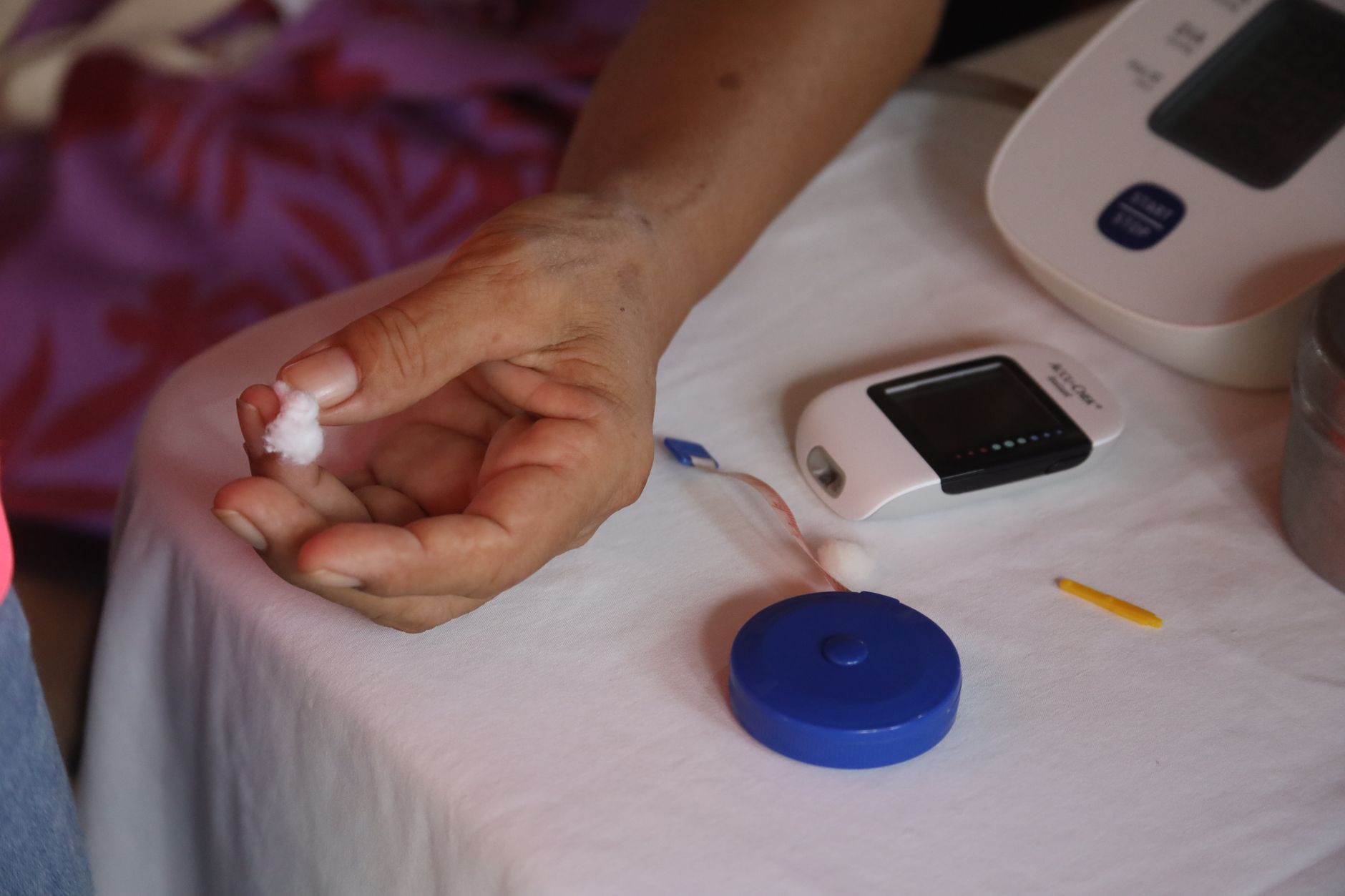
Modern hunger strikes, particularly those by prominent activists, often involve medical monitoring to track the striker's health status. Doctors may check vital signs, blood work, and organ function regularly, even while respecting the person's choice to refuse food.
Hydration becomes a critical factor in survival during hunger strikes. While humans can survive several weeks without food, death from dehydration can occur within days. Many hunger strikers continue drinking water, which extends the time frame but doesn't eliminate the serious health risks.
Why Students and Education Spark Such Actions
Education-related issues frequently trigger hunger strikes in India because they affect millions of families and represent broader concerns about opportunity, fairness, and social mobility. When activists perceive that peaceful dialogue has failed, hunger strikes become a method of last resort to force public attention and official response to demands regarding student welfare, educational access, or institutional reforms.
This article is for general informational purposes only and is not intended as medical advice. Hunger strikes pose serious health risks that require professional medical supervision. Anyone considering such action or experiencing health emergencies should consult qualified healthcare providers immediately.