India's health and welfare infrastructure represents one of the world's most complex public health challenges, balancing traditional practices with modern medicine while serving a population that recently surpassed China as the world's largest. Understanding this system helps explain both the progress made and the significant gaps that remain.
The Structure of India's Healthcare System
India operates a mixed healthcare system with both public and private providers. The public system is organized in three tiers: primary health centers in rural areas, secondary care through community health centers and district hospitals, and tertiary care at specialized medical colleges and research institutes. The private sector, however, accounts for approximately 70 percent of outpatient care and nearly half of all hospital admissions.
The Constitution places health primarily under state jurisdiction, though the central government plays a crucial coordinating role through the Ministry of Health and Family Welfare. This division sometimes creates implementation challenges, as resource allocation and program effectiveness vary significantly across different states.
Major Welfare Initiatives
Ayushman Bharat, launched in 2018, stands as the world's largest government-funded healthcare program. It aims to provide health coverage of up to 5 lakh rupees per family annually for over 500 million vulnerable Indians. The scheme covers hospitalization costs for serious illnesses, benefiting the bottom 40 percent of the population.
The National Health Mission combines two earlier programs focused on rural and urban health. It emphasizes maternal and child health, communicable diseases, and strengthening health infrastructure. Free immunization programs, antenatal care, and institutional delivery incentives fall under this umbrella.
The Pradhan Mantri Jan Arogya Yojana provides cashless access to healthcare services at empaneled hospitals. Meanwhile, schemes like the Janani Suraksha Yojana encourage institutional deliveries by providing cash assistance to pregnant women.
Population Dynamics and Demographics
India's population crossed 1.4 billion in 2023, with projections suggesting it will peak around 1.7 billion by 2064 before gradually declining. The fertility rate has dropped to approximately 2.0 children per woman, just below the replacement level, though significant variations exist between states like Bihar (2.98) and Kerala (1.56).
The demographic transition brings both opportunities and challenges. India enjoys a demographic dividend with nearly 65 percent of its population below 35 years. However, this advantage is temporary—the proportion of elderly citizens is growing, requiring expanded geriatric care infrastructure.
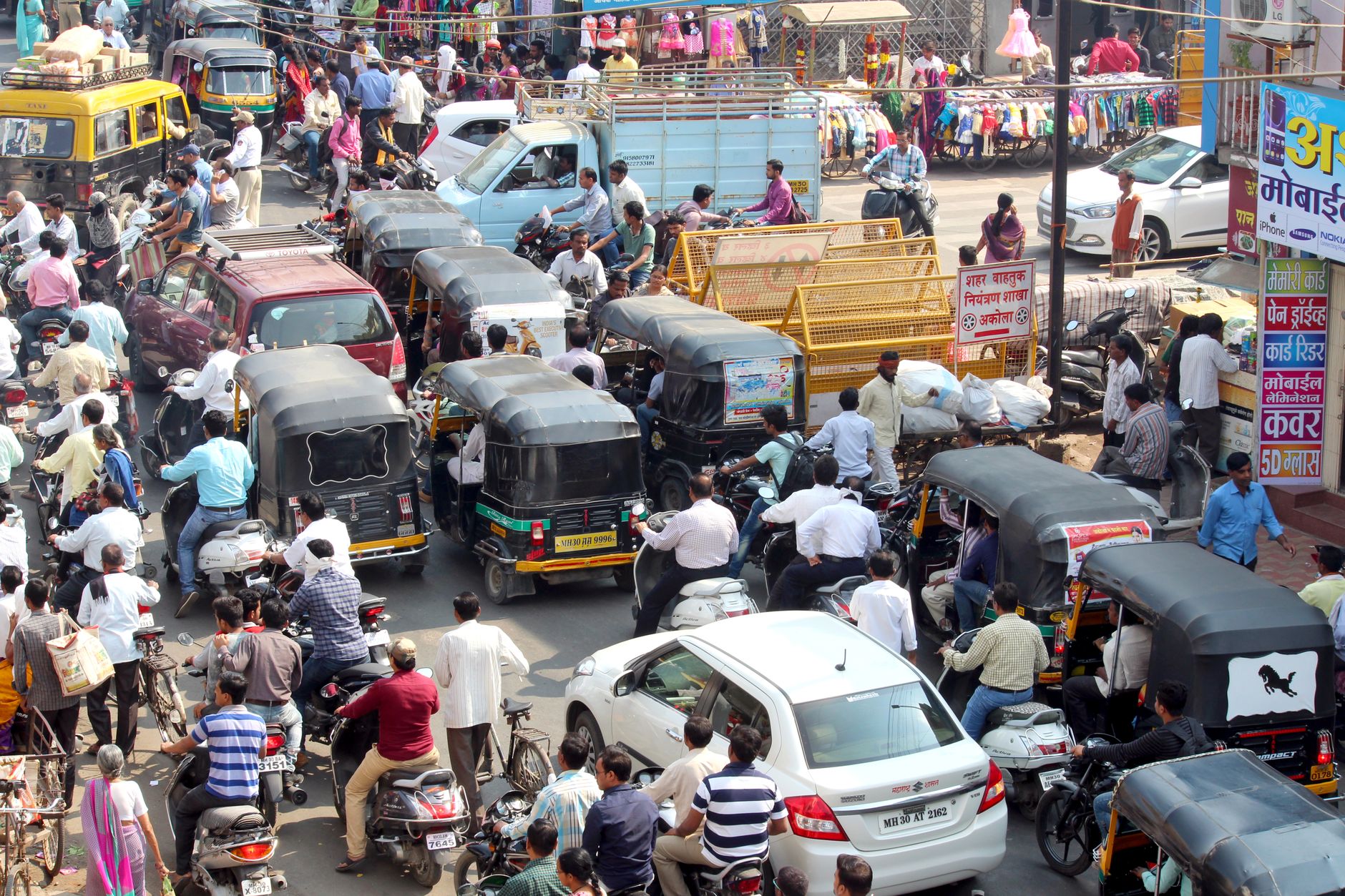
Population density varies dramatically, from over 11,000 people per square kilometer in Delhi to fewer than 20 in Arunachal Pradesh. Urban areas house about 35 percent of the population, with rapid urbanization creating new public health pressures.
Key Health Challenges
Malnutrition remains widespread, with stunting affecting nearly one-third of children under five. Anemia is prevalent among women and children, contributing to maternal mortality and developmental issues. Access to clean drinking water and sanitation, while improving, still poses challenges in many rural areas.
India faces a double burden of disease—communicable diseases like tuberculosis, malaria, and dengue coexist with rising non-communicable diseases. Diabetes, cardiovascular disease, and cancer rates are climbing, partly due to lifestyle changes and an aging population.
Healthcare infrastructure gaps are pronounced in rural areas, where 65 percent of Indians live but where medical facilities and trained professionals are scarce. The doctor-to-patient ratio stands at approximately 1:1,400, below WHO recommendations, and nurses are even more severely understaffed.
Progress and Innovations
Despite challenges, India has achieved remarkable progress. Life expectancy has increased from around 32 years at independence to approximately 70 years today. Infant and maternal mortality rates have declined significantly, though they remain higher than in many developing nations.
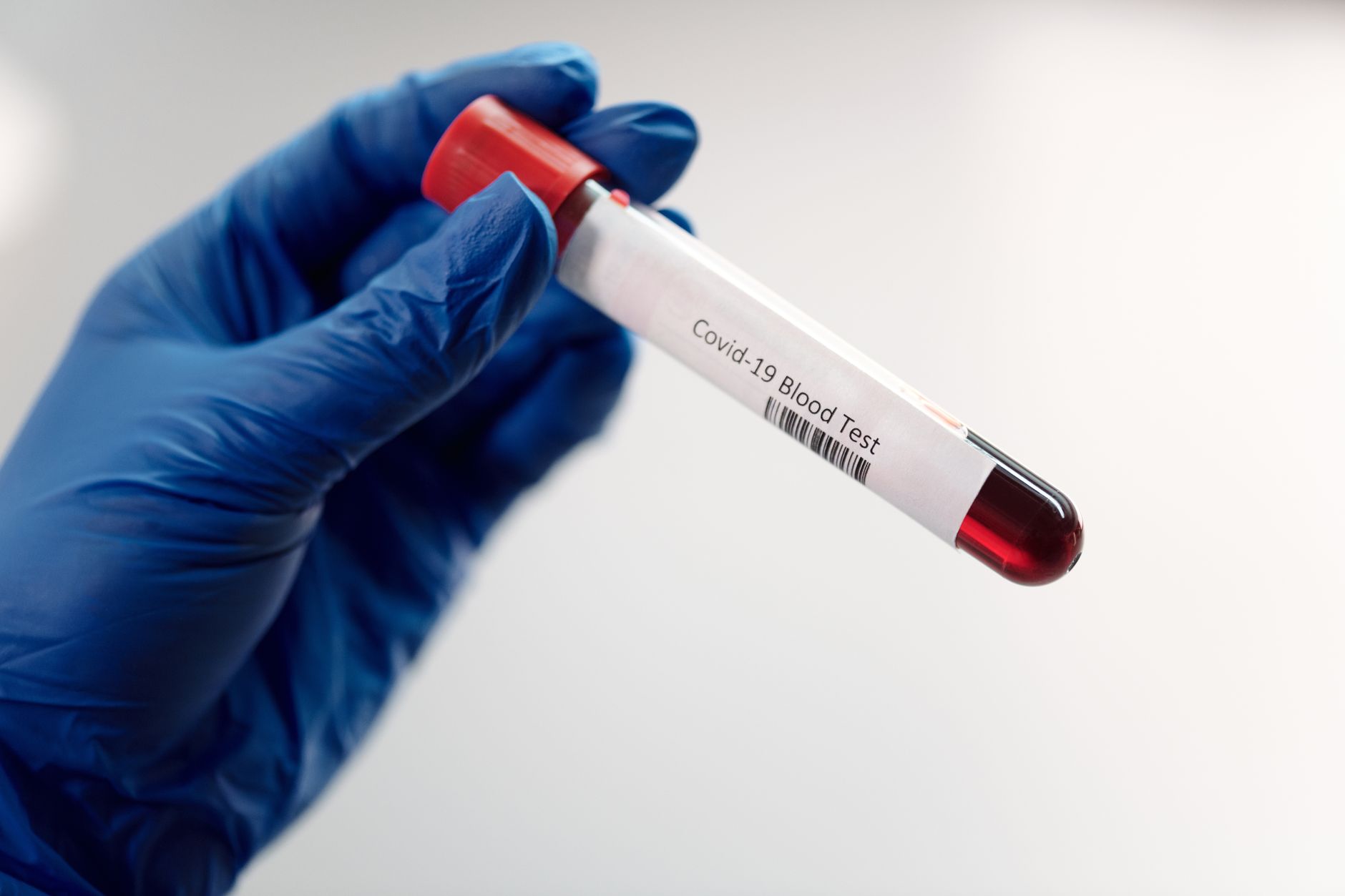
India's pharmaceutical industry, often called "the pharmacy of the world," produces affordable generic medicines, improving medication access domestically and globally. The country has also emerged as a vaccine manufacturing hub, demonstrated during the COVID-19 pandemic.
Telemedicine initiatives and digital health platforms are expanding access, particularly in underserved areas. The Ayushman Bharat Digital Mission aims to create digital health records for all citizens, streamlining care coordination.
The integration of traditional medicine systems—Ayurveda, Yoga, Unani, Siddha, and Homeopathy—through the AYUSH ministry represents a unique approach, though evidence-based validation remains ongoing.
This article provides general information about India's health system and population dynamics and should not be considered medical, health policy, or professional advice. Readers should consult appropriate professionals for specific healthcare or policy guidance.