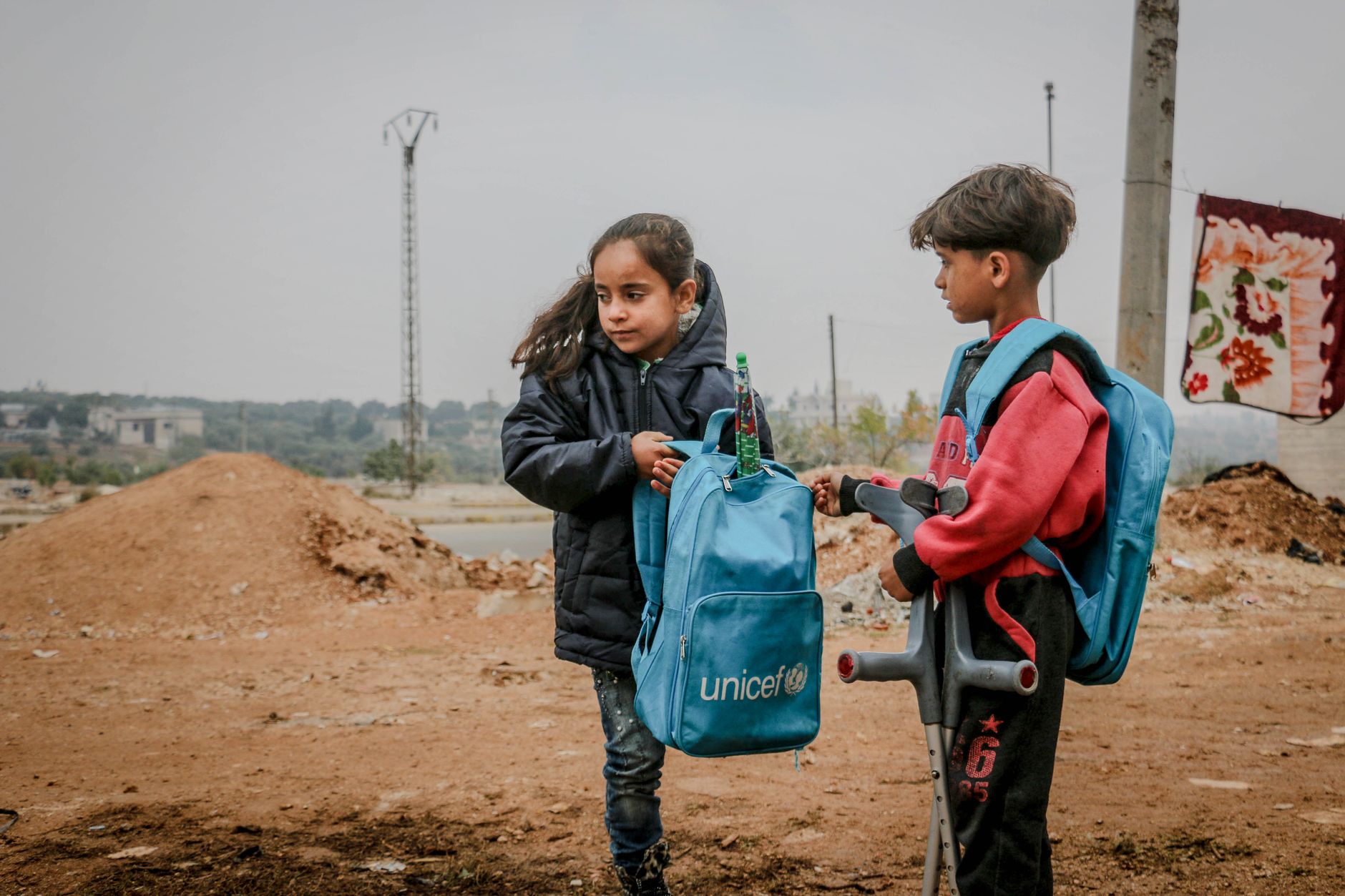
A specialized training initiative targeting media professionals has concluded with the aim of transforming how childhood non-communicable diseases are reported in India. The collaborative workshop brought together UNICEF India, the Press Information Bureau's Western Zone, and the All India Institute of Medical Sciences in Nagpur to equip journalists with essential knowledge and skills for covering this critical public health issue.
Understanding Childhood NCDs
Non-communicable diseases, traditionally associated with adults, are increasingly affecting children and adolescents in India. These conditions include diabetes, asthma, cardiovascular diseases, certain cancers, and mental health disorders. Unlike infectious diseases that can spread from person to person, NCDs develop due to a combination of genetic, physiological, environmental, and behavioral factors.
The rising prevalence of childhood obesity, sedentary lifestyles, exposure to tobacco smoke, air pollution, and unhealthy dietary patterns has contributed to an alarming increase in NCDs among younger populations. Many of these conditions, when developed in childhood, can persist into adulthood and lead to serious complications if not properly managed.
The Role of Media in Public Health
Journalists and media organizations play a crucial role in shaping public awareness and understanding of health issues. Accurate, sensitive, and informed reporting on childhood NCDs can help parents recognize early warning signs, encourage preventive measures, and reduce stigma associated with these conditions.
The workshop likely addressed several key areas essential for quality health journalism, including understanding medical terminology, interpreting scientific research and statistics, ethical considerations when reporting on children's health issues, and the importance of balancing technical accuracy with accessibility for general audiences.
Why Media Capacity Building Matters
Many journalists covering health topics may not have specialized medical training, which can sometimes lead to misinterpretation of data, sensationalized reporting, or the unintentional spread of misinformation. Capacity-building workshops like this one bridge the knowledge gap and provide reporters with direct access to medical experts and reliable information sources.
Such initiatives offer several benefits:
- Enhanced understanding of complex medical conditions and their impact on children
- Improved ability to critically evaluate health research and medical claims
- Development of networks with healthcare professionals and institutions
- Greater sensitivity when interviewing children, families, and healthcare providers
- Skills to identify and counter health misinformation
The Growing Burden of Childhood NCDs in India
India faces unique challenges regarding childhood NCDs. Rapid urbanization, changing dietary habits, increased screen time, and reduced physical activity among children have created a perfect storm for the development of chronic diseases. The country is experiencing a dual burden of communicable diseases alongside rising NCDs, straining healthcare resources and requiring multifaceted public health approaches.
Childhood diabetes, particularly Type 2 diabetes, has seen a significant increase in recent years. Similarly, respiratory conditions like asthma affect millions of Indian children, often exacerbated by poor air quality in urban centers. Mental health disorders, including anxiety and depression, are also gaining recognition as serious concerns requiring attention and intervention.
The Path Forward
Effective media coverage can drive policy changes, increase funding for research and treatment, and mobilize communities to adopt healthier lifestyles. When journalists are well-informed, they can hold authorities accountable, highlight gaps in healthcare delivery, and amplify the voices of affected families.
The collaboration between UNICEF India, a UN agency focused on children's welfare, PIB Western Zone, the government's communication arm, and AIIMS Nagpur, a premier medical institution, demonstrates a comprehensive approach to addressing childhood NCDs through improved communication. This multi-stakeholder partnership ensures that media professionals receive balanced perspectives combining international best practices, government initiatives, and cutting-edge medical expertise.
Moving forward, sustained efforts in media capacity building, coupled with broader public health interventions, will be essential to combat the rising tide of childhood NCDs in India. Journalists trained through such workshops can become champions for children's health, ensuring that these often-overlooked conditions receive the attention and resources they deserve.
This article is for general informational purposes only and does not constitute medical advice. Parents and caregivers concerned about their child's health should consult qualified healthcare professionals for proper diagnosis and treatment.