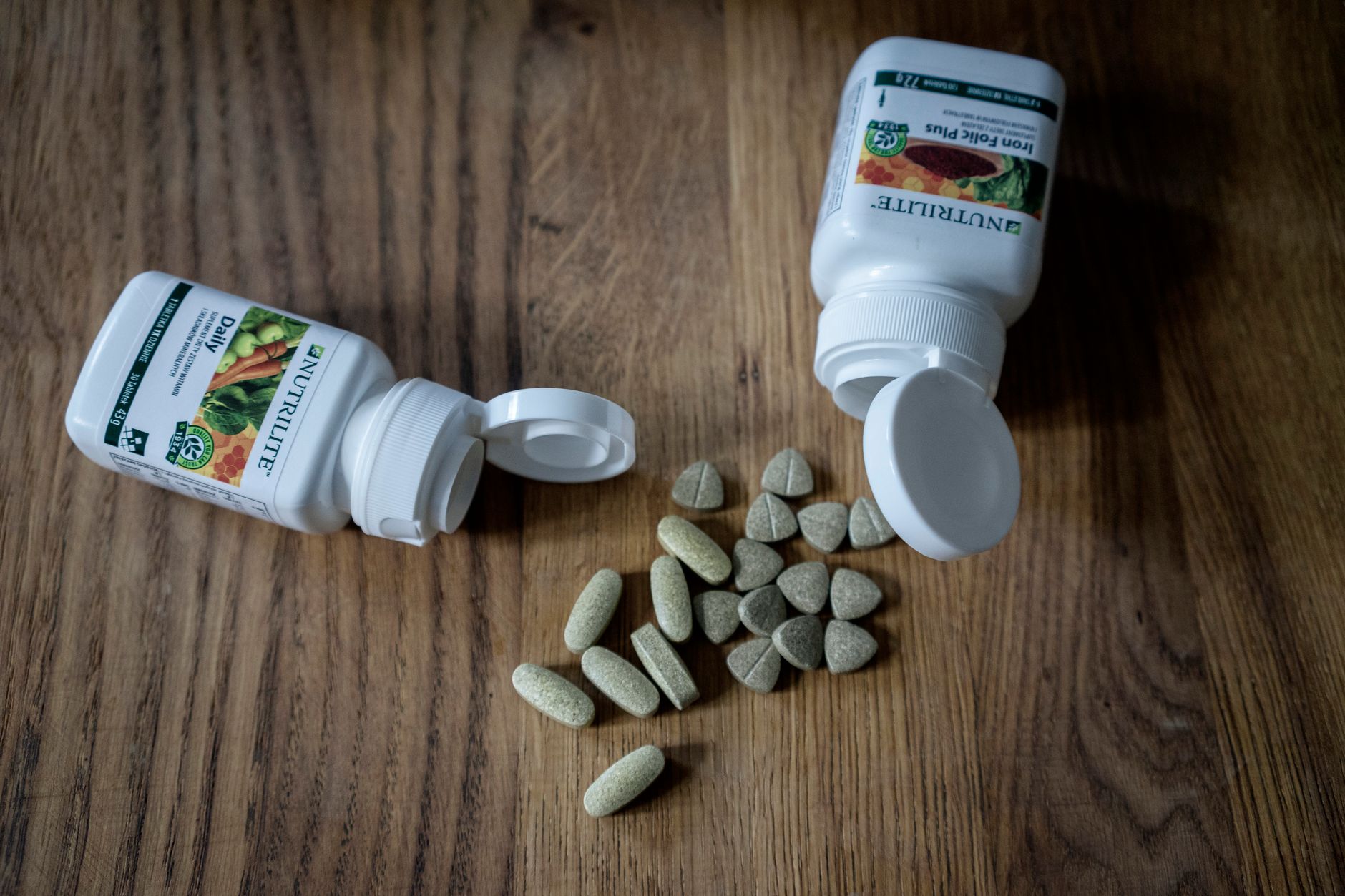
The nutraceutical industry, which bridges the gap between food and pharmaceuticals, is experiencing unprecedented global growth. A recent partnership between the Organic & Natural Health Association and SHEFEXIL marks a significant step toward strengthening commercial ties and supply chain resilience between the United States and India, two major players in this expanding market.
Understanding the Nutraceutical Market
Nutraceuticals encompass a wide range of products including dietary supplements, herbal products, functional foods, and nutritional ingredients that provide health benefits beyond basic nutrition. The global market has grown substantially over the past decade, driven by increasing consumer awareness of preventive healthcare, aging populations, and rising interest in natural wellness solutions.
India has emerged as a key supplier of nutraceutical raw materials and finished products, leveraging its rich biodiversity, traditional knowledge systems like Ayurveda, and competitive manufacturing capabilities. The United States represents the world's largest consumer market for these products, creating natural synergies for bilateral trade cooperation.
Strategic Importance of the Partnership
This collaboration between industry associations serves multiple objectives that benefit stakeholders across both countries. By aligning standards and facilitating communication between manufacturers, exporters, and regulators, the partnership aims to streamline trade processes that have historically been complicated by differing regulatory frameworks and quality expectations.
The partnership addresses several critical challenges. Supply chain disruptions experienced during recent global events highlighted the vulnerability of relying on limited sourcing regions. Diversifying supply chains and strengthening alternative partnerships has become a strategic priority for American companies seeking reliable access to quality ingredients.
Quality Standards and Regulatory Alignment
One of the primary focuses of such industry partnerships involves harmonizing quality standards and supporting compliance with regulatory requirements in both markets. The United States has stringent regulations governing dietary supplements and nutraceutical products, including Good Manufacturing Practices and labeling requirements enforced by regulatory authorities.
Indian exporters must navigate these complex requirements to access American markets successfully. Industry associations play a crucial role in providing education, resources, and advocacy to help member companies understand and meet these standards. Similarly, American importers benefit from improved transparency and assurance regarding the sourcing and quality of ingredients from Indian suppliers.
Economic and Trade Implications
The nutraceutical sector represents significant economic opportunity for both nations. India's pharmaceutical and herbal product manufacturing expertise, combined with lower production costs, makes it an attractive sourcing destination. Meanwhile, American companies bring technological innovation, research capabilities, and access to sophisticated consumer markets.
Enhanced collaboration can facilitate increased trade volumes, create employment opportunities across both countries, and drive innovation through knowledge sharing. Small and medium enterprises particularly stand to benefit from industry association support in navigating international markets and building business relationships.
Sustainability and Traditional Knowledge
India's nutraceutical industry draws extensively on traditional medicinal knowledge and native botanical resources. Partnerships that promote sustainable sourcing practices and respect for intellectual property rights related to traditional knowledge become increasingly important as commercial interest in these ingredients grows.
The collaboration between industry bodies can help establish ethical frameworks for bioprospecting, ensure fair benefit-sharing with indigenous communities, and promote conservation of medicinal plant species that might face overharvesting pressures due to increased commercial demand.
Future Outlook for Bilateral Cooperation
As consumer interest in natural health products continues to expand globally, the infrastructure supporting international trade in nutraceuticals must evolve accordingly. Industry partnerships like this one create platforms for ongoing dialogue, problem-solving, and adaptation to changing market conditions and regulatory landscapes.
The success of such initiatives will be measured by tangible outcomes including increased trade volumes, reduced barriers to market entry, improved product quality and safety, and enhanced competitiveness of companies operating in both markets. These partnerships also serve as models for similar cooperation between other nations seeking to strengthen their positions in the global nutraceutical supply chain.
This article is for general informational purposes only and should not be considered business, legal, or regulatory advice. Companies engaged in international trade should consult with qualified professionals regarding specific compliance requirements and business strategies.