When a world-class athlete experiences a health scare in the lead-up to a major competition, it sets off a complex chain of medical evaluations, treatment protocols, and difficult decisions about participation. These situations highlight the delicate balance between competitive ambitions and long-term health considerations that every elite athlete must navigate.
The Physical Demands on Elite Athletes
Competitive athletes push their bodies to extraordinary limits, operating at performance levels that place enormous stress on every physiological system. This constant high-intensity training and competition can sometimes mask underlying health issues or create vulnerabilities that suddenly emerge. World-class competitors often train through minor discomfort, making it challenging to distinguish between normal training fatigue and genuine health concerns requiring immediate attention.
The human body under elite athletic conditions requires precise monitoring and maintenance. Heart rate variability, immune system function, hormonal balance, and musculoskeletal integrity all demand careful attention. When something goes wrong, the stakes extend beyond a single competition—an athlete's entire career trajectory may hang in the balance.
Common Health Challenges in Competitive Sport
Athletes face various health concerns ranging from acute injuries to systemic issues. Respiratory infections can severely impact cardiovascular performance and endurance capacity. Viral illnesses may require complete rest, directly contradicting an athlete's training schedule. Stress fractures, though seemingly minor, can sideline competitors for months if not properly addressed.
Cardiac events, though rarer, represent perhaps the most serious concern. Any chest pain, irregular heartbeat, or unexplained breathlessness requires immediate medical evaluation. Modern sports medicine has become increasingly vigilant about cardiac screening, particularly after high-profile cases have raised awareness about previously undetected conditions.
Dehydration and heat-related illnesses present particular dangers, especially for athletes training in challenging environmental conditions. Electrolyte imbalances can trigger serious complications affecting multiple organ systems.
The Medical Decision-Making Process
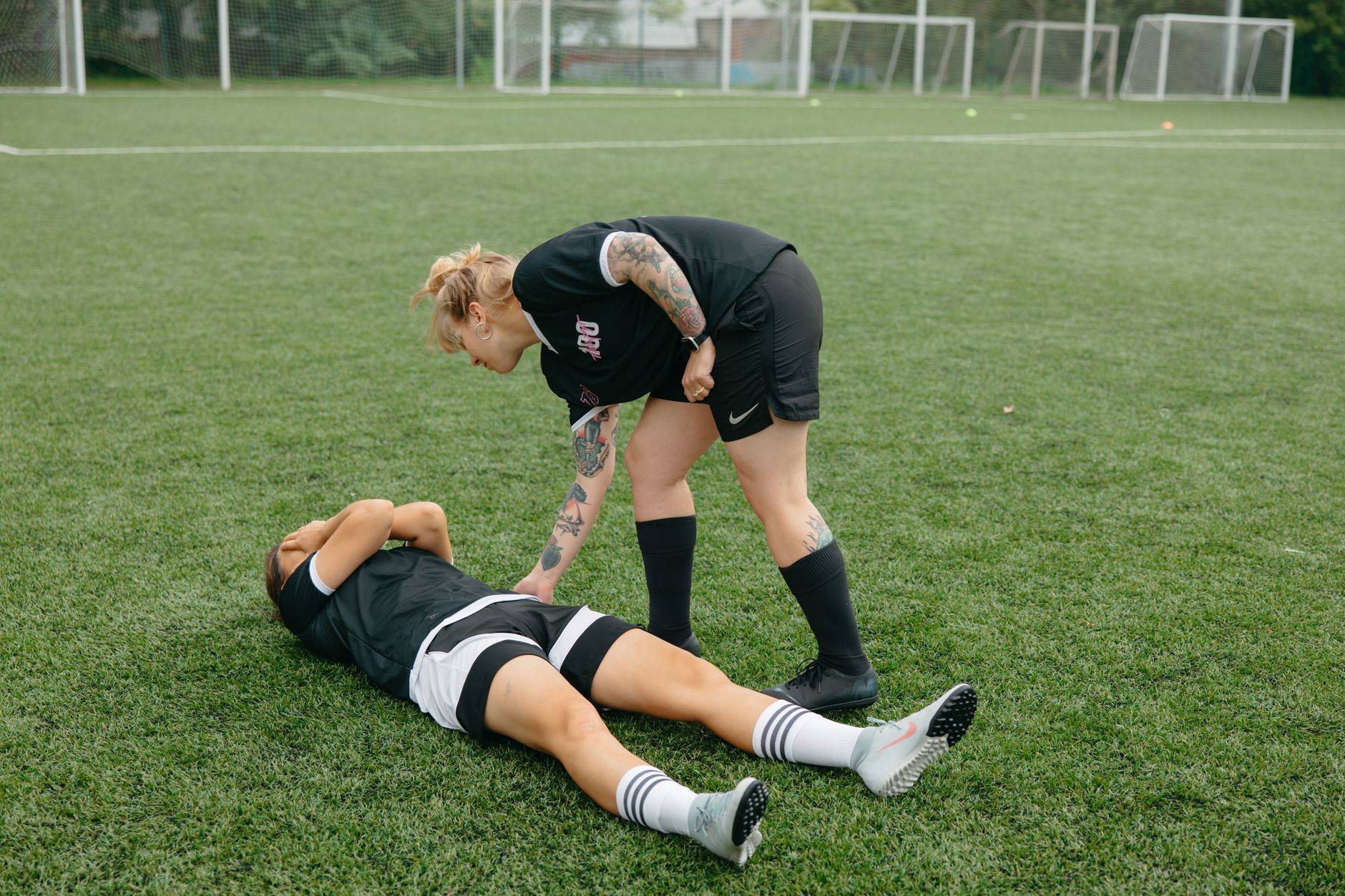
When a health scare occurs, a team of medical professionals typically evaluates the athlete's condition. This includes sports physicians, cardiologists, physiotherapists, and sometimes specialists depending on the symptoms. They must answer several critical questions: What caused the health event? Has the underlying issue been fully resolved? What risks does continued training or competition pose? How long will full recovery require?
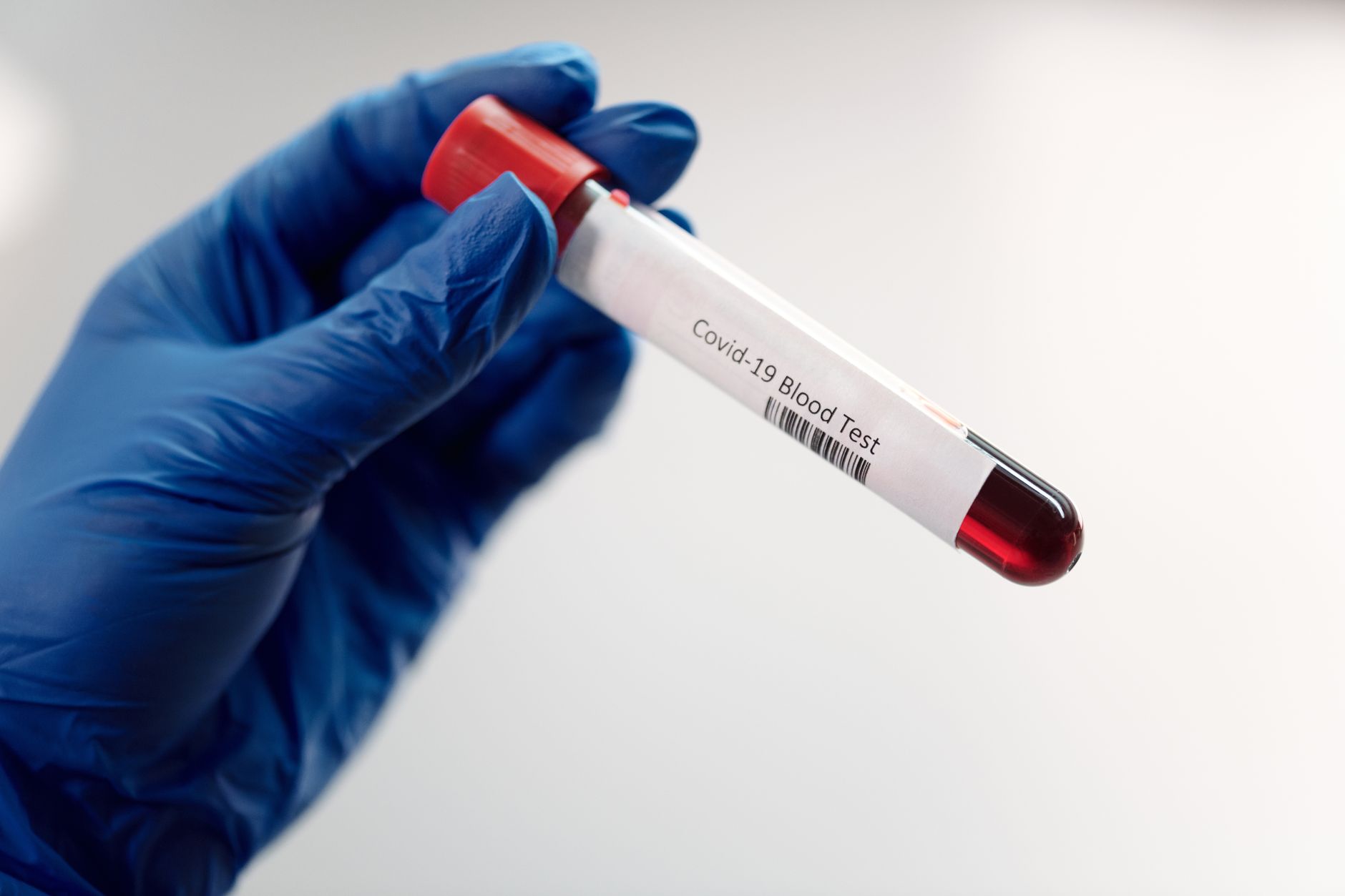
These decisions involve both objective medical data and subjective assessments of an athlete's readiness. Blood tests, imaging studies, cardiac monitoring, and functional performance tests all contribute to the medical clearance process. However, doctors must also consider psychological readiness and whether the athlete has truly regained confidence in their body's capabilities.
The Psychological Dimension
Health scares create significant psychological stress beyond the physical symptoms. Athletes invest years developing their capabilities and often define their identity through their sport. When health issues threaten participation in major competitions, the emotional toll can be substantial.
Fear of recurrence may affect performance even after medical clearance. An athlete who experienced chest pain may unconsciously hold back during intense efforts, compromising their competitive edge. Sports psychologists play an increasingly important role in helping athletes process these experiences and rebuild confidence.
Recovery and Return-to-Competition Protocols
Modern sports medicine employs graduated return-to-play protocols following health issues. These typically involve progressive increases in training intensity while monitoring for any recurrence of symptoms. An athlete might begin with light aerobic activity, gradually advancing to sport-specific movements, then controlled training sessions, before finally receiving clearance for competition.
The timeline varies dramatically depending on the specific health issue. A mild respiratory infection might require only days of modified training, while cardiac concerns could necessitate weeks or months of careful monitoring and gradual progression.
When Competition Timing Creates Pressure
Major competitions like world championships operate on fixed schedules that don't accommodate individual health timelines. Athletes and their support teams face agonizing decisions about whether to push for rapid recovery or prioritize long-term health over a single competition opportunity.
Medical professionals must resist pressure to accelerate clearance beyond what's medically prudent. However, they also recognize that for some athletes, a particular competition represents a once-in-a-lifetime opportunity that may justify accepting some calculated risk—provided the athlete is fully informed and participating in the decision.
The coming weeks will reveal whether adequate recovery time allows for safe participation and optimal performance, reminding us that behind every athletic achievement lies a foundation of health that must never be compromised.