India is witnessing a concerning trend of heart disease affecting younger populations, prompting leading medical experts to recommend earlier screening measures. Dr Devi Shetty, one of India's most respected cardiac surgeons, has made a compelling case for cholesterol testing to begin at age 17, much earlier than conventional medical guidelines suggest.
The Growing Heart Disease Crisis in India
Heart disease has become the leading cause of death in India, claiming millions of lives annually. What makes the situation particularly alarming is that Indians develop cardiovascular problems at younger ages compared to Western populations. Studies show that heart attacks in India occur 10-15 years earlier than in developed countries, with many cases now reported in people in their 30s and 40s.
Several factors contribute to this early onset, including genetic predisposition, dietary habits, sedentary lifestyles, and rising rates of diabetes and hypertension. The younger generation faces additional risks from increased consumption of processed foods, longer working hours with minimal physical activity, and higher stress levels.
Understanding Cholesterol and Its Impact
Cholesterol is a waxy, fat-like substance found in the blood. While the body needs cholesterol to build healthy cells, high levels of bad cholesterol (LDL) can lead to fatty deposits in blood vessels. Over time, these deposits restrict blood flow through arteries, potentially causing heart attacks or strokes.
Many people assume cholesterol problems only affect older adults. However, cholesterol buildup is a gradual process that can begin in childhood and adolescence. Family history of high cholesterol or heart disease, obesity, poor diet, and lack of exercise can all contribute to elevated cholesterol levels in teenagers.
Why Start Testing at 17
The recommendation to test at age 17 is based on several medical and practical considerations. By late adolescence, lifestyle patterns are becoming established, dietary habits are more consistent, and the body has completed most of its developmental changes. This makes it an ideal time to establish baseline cholesterol levels.
Early detection offers several advantages:
- Identifies individuals with familial hypercholesterolemia, a genetic condition causing very high cholesterol
- Allows for lifestyle modifications during formative years when habits are easier to change
- Prevents years of silent arterial damage that accumulates unnoticed
- Enables doctors to assess overall cardiovascular risk factors early
- Provides opportunity for family screening if genetic conditions are discovered
What the Cholesterol Test Involves
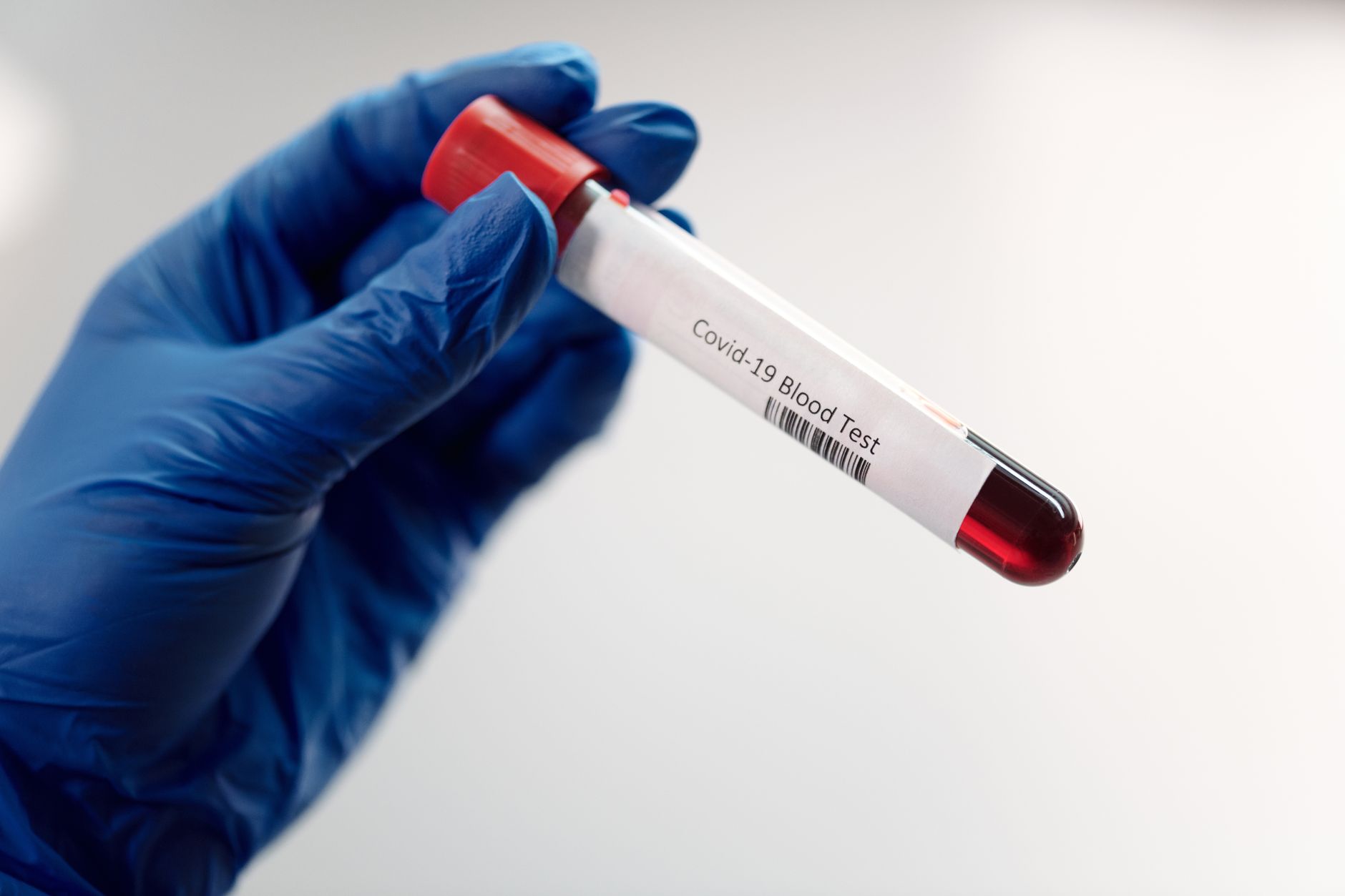
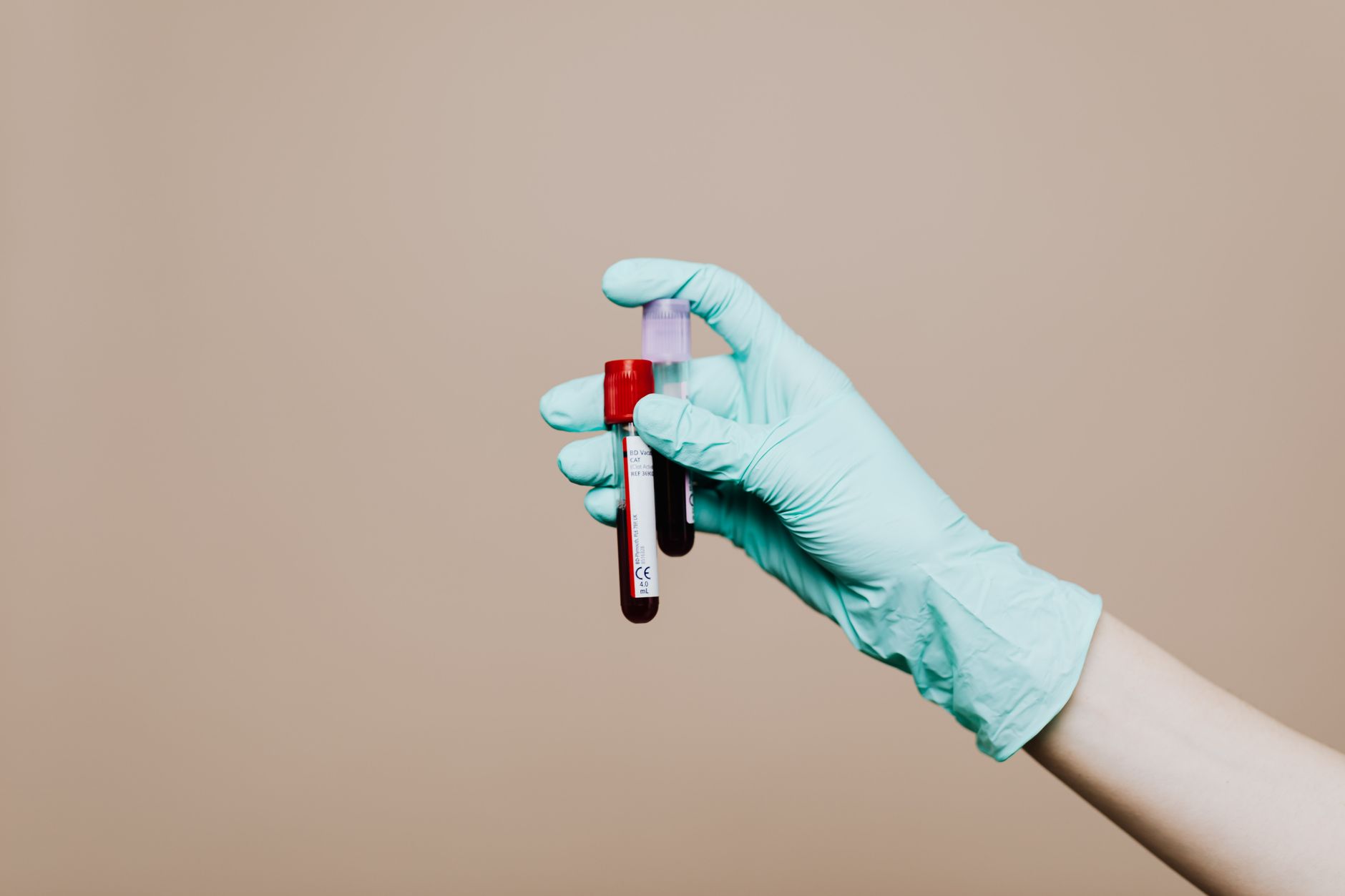
A standard lipid profile is a simple blood test that measures total cholesterol, LDL cholesterol (bad cholesterol), HDL cholesterol (good cholesterol), and triglycerides. The test typically requires fasting for 9-12 hours beforehand for accurate results.
Normal cholesterol levels for young adults generally include total cholesterol below 200 mg/dL, LDL below 100 mg/dL, and HDL above 40 mg/dL for males and 50 mg/dL for females. However, doctors interpret results based on individual risk factors and family history.
Taking Action After Testing
If cholesterol levels are normal, retesting every 4-5 years is typically sufficient for low-risk individuals. However, elevated levels don't necessarily mean immediate medication. For most young people, lifestyle changes form the first line of intervention.
Dietary modifications include reducing saturated fats, eliminating trans fats, increasing fiber intake through whole grains and vegetables, and incorporating heart-healthy fats from nuts and fish. Regular physical activity, maintaining healthy weight, avoiding tobacco, and limiting alcohol consumption all contribute to better cholesterol management.
For those with significantly elevated levels or genetic conditions, doctors may prescribe medications like statins alongside lifestyle changes. The key is personalized treatment based on individual risk assessment.
Barriers and Solutions
Implementing widespread cholesterol screening at age 17 faces practical challenges. Many families may not prioritize preventive healthcare, especially in rural areas with limited medical infrastructure. Cost concerns and lack of awareness also present obstacles.
Making cholesterol testing part of routine health checkups in schools and colleges could improve screening rates. Government health programs and insurance coverage for preventive tests would make screening more accessible across economic groups.
The Bigger Picture of Prevention
Dr Shetty's recommendation reflects a broader shift toward preventive cardiology. Rather than treating heart disease after it develops, the medical community increasingly emphasizes preventing it altogether through early intervention.
This approach requires changing mindsets about when heart health becomes relevant. Heart disease prevention is not something to consider in middle age but a lifelong commitment beginning in youth.
This article provides general health information and should not replace professional medical advice. Consult with qualified healthcare providers for personalized guidance regarding cholesterol testing and cardiovascular health management.